






Denver's women-only program for mental health, trauma and substance use.Call Admissions 833.754.0554
Call 833.754.0554Verify Insurance

Mindfulness for women in Centennial, CO

Your symptoms made sense. We treat what they were managing.

Meditation, breathing, and relaxation can help you notice inner experiences with greater steadiness. When combined with appropriate care, mindfulness may support awareness of patterns and more intentional responses while preserving your choices.

You do not need to have everything figured out. Learn what mindfulness may involve, compare care structures with your responsibilities, and call 833.754.0554 when you want a calm, conversation.

For residents of Centennial, CO. Women’s Recovery lists its physical location in Denver, CO.

Plum armchairs beside a window table

A look at our space

These are rooms at our Denver office. You spend the day here, and you go home at night.

Seating area with a sofa, round table, plants and artwork at Women’s Recovery Lounge with purple chairs, cream sofa and table Lounge with purple chairs and dried flowers Dark sofa and coffee table in a furnished room Plum armchairs beside a window table Entrance to the Belcaro Place building with the number 3801 above the doors

What can Mindfulness involve?

Mindfulness: Mindfulness can mean practicing meditation, calming breathing, relaxation, or nonjudgmental awareness of thoughts and emotions. These mindfulness techniques may support psychotherapy by helping you notice patterns and respond deliberately. Women exploring support from Centennial, CO can consider their comfort, goals, and preferred pace.

Supporting guidance: Psychotherapies - National Institute of Mental Health (NIMH)

Lounge with purple chairs, cream sofa and table

What can Mindfulness involve?

Mindfulness for Women in Denver can involve meditation, breathing exercises, and deliberate attention to thoughts, emotions, or physical sensations. These practices may sit alongside group therapy for women or other approaches, including yoga for women, when they fit your needs and goals.

01

Mindfulness is often used as a practical skill within psychotherapy rather than as a stand-alone answer to every concern.

Psychotherapy aims to help you identify and change troubling thoughts, emotions, and behaviors, while mindfulness can create space to observe those experiences more clearly. That pause may help you respond with greater intention. Care can take place individually, in a group, or through certain remote formats, depending on the treatment structure and what is appropriate for you.
02

If substance use is part of your concern, mindfulness may be one component of a broader treatment approach.

Behavioral therapies, counseling, and clinically appropriate medications can work together as whole-person care. Mindfulness does not determine whether medication is needed, manage withdrawal, or replace medical support for physical dependence. Your treating prescriber should guide medication decisions, while an appropriate treatment plan accounts for emotional, behavioral, social, and physical needs rather than relying on one technique alone.

What elements can be part of Mindfulness?

Mindfulness may include focused breathing, meditation, relaxation, and noticing what is happening before you act. It can complement structured approaches such as relapse prevention for women or a different therapeutic modality, including trauma-focused therapy for women, when each element serves a clear purpose in your care.

01

A mindfulness exercise can direct your attention toward breathing, physical sensations, thoughts, or emotions in the present moment.

The purpose is not to force your mind to become blank or to judge yourself when attention wanders. Instead, repeated practice may help you recognize an experience and return your focus deliberately. Relaxation techniques can also be part of psychotherapy, giving you concrete skills to use alongside work on patterns of thought, emotion, and behavior.

02

The wider structure matters as much as the individual exercise.

Treatment can include individual psychotherapy, group settings, behavioral therapies, medication, or more than one approach. Some outpatient care is delivered in person, while some uses telehealth. More intensive residential settings serve different needs. Mindfulness can be adapted within an appropriate plan, but its presence alone does not tell you the level of care, professional support, or treatment combination that your situation may require.

Lounge with purple chairs and dried flowers

What goals can guide Mindfulness?

Useful mindfulness goals are specific enough to guide practice but flexible enough to respect your circumstances. You might focus on recognizing stress, observing an urge, or pausing before responding. These aims can complement neurofeedback for women or the shared learning and connection possible through group therapy for women.

01

One goal may be building awareness of patterns that affect how you feel or behave.

Psychotherapy commonly works with troubling emotions, thoughts, and behaviors, and mindfulness may help you notice those patterns as they arise. Awareness is valuable because it can give you a clearer point from which to use another coping or treatment skill. Progress does not require you to feel calm every time; noticing your experience honestly can itself make the practice more informative.

02

What goals can guide Mindfulness?

When recovery from substance use is involved, a goal might be noticing cravings, stress, or familiar reactions early enough to use support and behavioral skills. That does not make mindfulness a substitute for counseling, medication, or treatment for physical dependence. A whole-person approach may combine several forms of care tailored to clinical needs. Your goals should connect mindfulness to that broader plan, so the practice supports meaningful changes rather than becoming another standard you feel pressured to meet.

What could a woman from Centennial, CO expect when considering outpatient treatment in Denver?

Care for women from Centennial at our Denver program may involve traveling to Denver, CO for appointments and returning home afterward. You can explore treatment programs for women, review location and travel information and consider how outpatient care could fit your daily life.

  1. 01

    Outpatient treatment generally means attending an appointment and leaving the same day rather than staying overnight

  2. 02

    Depending on the type of program, care may include individual appointments, group sessions and opportunities to develop coping skills

  3. 03

    Some outpatient programs provide more frequent or coordinated support than standard visits

  4. 04

    This structure can help you receive meaningful care while continuing to live at home, although the right balance depends on your needs and circumstances

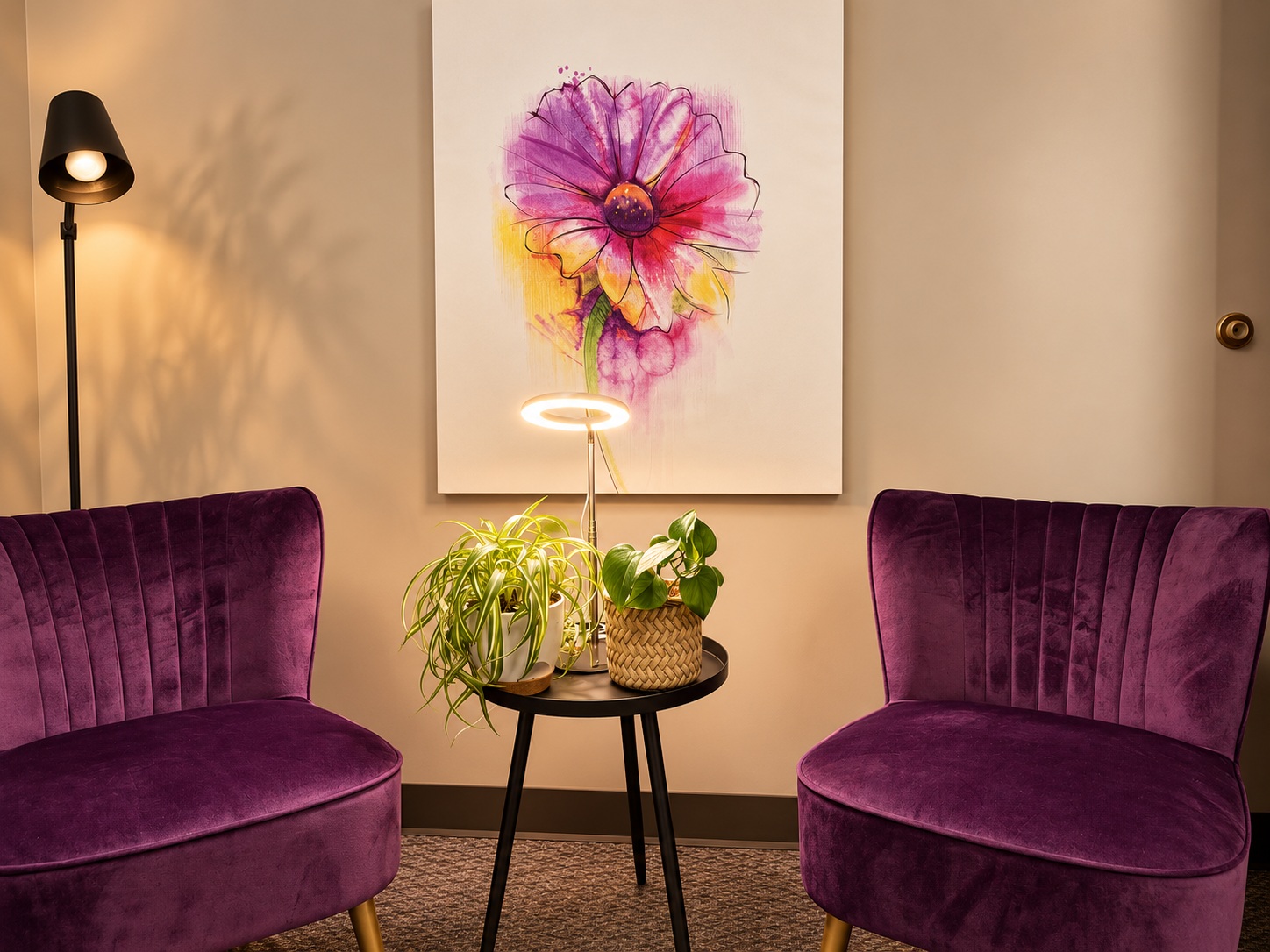
Plum chairs, table and flower painting

Common questions

Explore therapies for women in recovery and give yourself permission to ask for help for related guidance. Call admissions when you want to discuss your own situation.

Call Admissions
01 How can mindfulness fit into mental health or substance use care?

Mindfulness can be useful within care when it helps you notice thoughts, emotions, physical sensations, or urges and respond more deliberately. It is not a diagnosis or a complete treatment plan by itself. The right role depends on your needs, goals, and the other care involved.

02 Does mindfulness replace therapy or other treatment?

No. Mindfulness may be one element of a broader approach that includes psychotherapy, behavioral therapies, group care, medication, or another treatment format. Some people need more than one type of treatment. Appropriate care connects each element to your needs rather than treating one practice as the whole answer.

03 What might a manageable mindfulness practice look like?

A manageable practice may be brief and repeatable, such as noticing your breathing or pausing to observe what you feel. Small acts can support mental health and recovery. Consistency matters more than forcing a particular experience, and the practice can be adjusted when your energy, concentration, or responsibilities change.

04 What RTD rail information can help orient a woman traveling from Centennial, CO toward Denver, CO?

RTD locates Dry Creek Station at 9450 E Dry Creek Rd in Centennial, CO and identifies it as serving the E Line. The published E Line endpoints are Union Station and RidgeGate Parkway Station. This information does not establish an itinerary, schedule, accessibility, travel time, last-mile connection, or service to Women’s Recovery.

05 Which Arapahoe County resources address substance use and mental-health needs?

Arapahoe County Public Health links to Colorado LADDERS and OwnPath for finding substance-use treatment and to Colorado Crisis Services. For mental-health needs, it directs people in crisis to call or text 988 or visit 988Colorado.com and lists AllHealth Network and OwnPath. Eligibility, capacity, clinical fit, and Women’s Recovery affiliation are not established.

If you can't believe that yet, borrow my hope. Just long enough to find your own.

Women’s Recovery graduate

Start with one conversation. Tell us what you're carrying. We'll walk you through the next step and verify your benefits.