







Denver's women-only program for mental health, trauma and substance use.Call Admissions 833.754.0554
Call 833.754.0554Verify Insurance

Help with anxiety and substance use for women from Centennial, CO

Your symptoms made sense. We treat what they were managing.

Anxiety and substance use considers how stress, trauma, and other shared factors may affect both concerns. Thorough assessment can clarify overlapping symptoms and guide individualized treatment. You deserve respectful care that builds skills while preserving your voice and choices.

You do not need a label or a fully formed plan to start talking.

For residents of Centennial, CO. Women’s Recovery lists its physical location in Denver, CO.

Lounge with purple chairs and dried flowers

A look at our space

These are rooms at our Denver office. You spend the day here, and you go home at night.

Seating area with a sofa, round table, plants and artwork at Women’s Recovery Lounge with purple chairs, cream sofa and table Lounge with purple chairs and dried flowers Dark sofa and coffee table in a furnished room Plum armchairs beside a window table Entrance to the Belcaro Place building with the number 3801 above the doors

Can a person have more than one substance use disorder?

Yes. People can experience substance use disorders associated with more than one drug, while polysubstance use can compound health risks. Anxiety and substance use responds with integrated assessment and respect. Explore support for anxiety and substance use alongside care from Centennial, CO, with no pressure to decide immediately.

Supporting guidance: Finding Help for Co-Occurring Substance Use and Mental Disorders - National Institute of Mental Health (NIMH) Co-Occurring Disorders and Health Conditions | National Institute on Drug Abuse (NIDA)

Plum chairs, table and flower painting

Can a person have more than one substance use disorder?

Yes. A person can experience problems involving more than one substance, alongside anxiety or another mental health concern. Anxiety and substance use can begin with understanding the whole pattern through co-occurring support and broader anxiety support, rather than reducing your experience to one symptom.

01

Substance use disorders can involve alcohol, cannabis, tobacco, or other substances, and using multiple substances may increase health risks.

That does not tell you what diagnosis applies to you. It does mean that discussing every relevant substance with a qualified professional can support a more accurate assessment. The timing, frequency, effects, and relationship between use and anxiety all matter when developing a fuller understanding of what is happening in your life.
02

Anxiety and substance use can share risk factors, including stress, trauma, adverse social environments, and inherited characteristics.

One concern may also affect the intensity or course of the other. Because these relationships are complex, care should consider mental health symptoms and substance patterns together. An experienced provider can use a comprehensive assessment to distinguish overlapping symptoms, reduce the likelihood of a missed concern, and build a treatment plan responsive to your circumstances and priorities.

When is it time to get help for anxiety and substance use?

Professional support may be valuable when anxiety or substance use feels severe, distressing, persistent, or disruptive to daily life. Learning about agoraphobia support and eating concerns with substance use can also help you recognize when multiple concerns may need thoughtful attention together.

01

Symptoms lasting two weeks or more are one reason to speak with a health professional, especially when they cause substantial distress.

You might notice fear, worry, avoidance, sleep disruption, difficulty concentrating, or changes in your ability to manage responsibilities and relationships. Substance use may feel increasingly connected with coping or daily functioning. These experiences are not proof of a particular diagnosis, but they provide meaningful reasons to seek an assessment rather than carrying the uncertainty alone.

02

Timing can offer important clues without giving a complete answer.

Anxiety might appear before substance use, intensify during periods of use, or continue when use changes. Substance effects and mental health symptoms can also overlap, making self-diagnosis unreliable. A clinician experienced in both areas can consider symptom history, substance patterns, stressors, trauma, health, and functioning together. Appropriate support adds clarity and can help prevent one concern from being addressed while another significant issue is overlooked.

Seating area with a sofa, round table, plants and artwork at Women’s Recovery

How can therapy help with anxiety and substance use?

Psychotherapy can help you understand connections among thoughts, emotions, behavior, anxiety, and substance use while developing practical coping skills. Approaches may draw from co-occurring mental health and substance use support while also considering concerns such as personality-related concerns and substance use when relevant to your experience.

01

Behavioral therapies used for co-occurring concerns include cognitive behavioral therapy, contingency management, and motivational interviewing.

Cognitive behavioral work may examine patterns connecting situations, thoughts, emotions, and actions. Motivational interviewing can support exploration of ambivalence and personally meaningful change. A therapist may use one main approach or combine elements from several approaches, depending on their training, the concerns being treated, and what you need. Treatment should remain collaborative rather than forcing a predetermined interpretation onto your life.

02

Therapy is also a relationship in which trust and rapport matter.

Conversations may touch deeply personal experiences, including fear, trauma, stress, relationships, coping, and substance use. Feeling respected can make it easier to speak honestly and participate in care. A preliminary conversation may help you understand how therapy would proceed and whether you feel comfortable with the professional. That fit has practical value because effective work depends partly on confidence in the therapist’s expertise and approach.

What could a woman from Centennial, CO expect when considering outpatient treatment in Denver?

Care for women from Centennial at our Denver program may involve traveling to Denver, CO for appointments and returning home afterward. You can explore treatment programs for women, review location and travel information and consider how outpatient care could fit your daily life.

  1. 01

    Outpatient treatment generally means attending an appointment and leaving the same day rather than staying overnight

  2. 02

    Depending on the type of program, care may include individual appointments, group sessions and opportunities to develop coping skills

  3. 03

    Some outpatient programs provide more frequent or coordinated support than standard visits

  4. 04

    This structure can help you receive meaningful care while continuing to live at home, although the right balance depends on your needs and circumstances

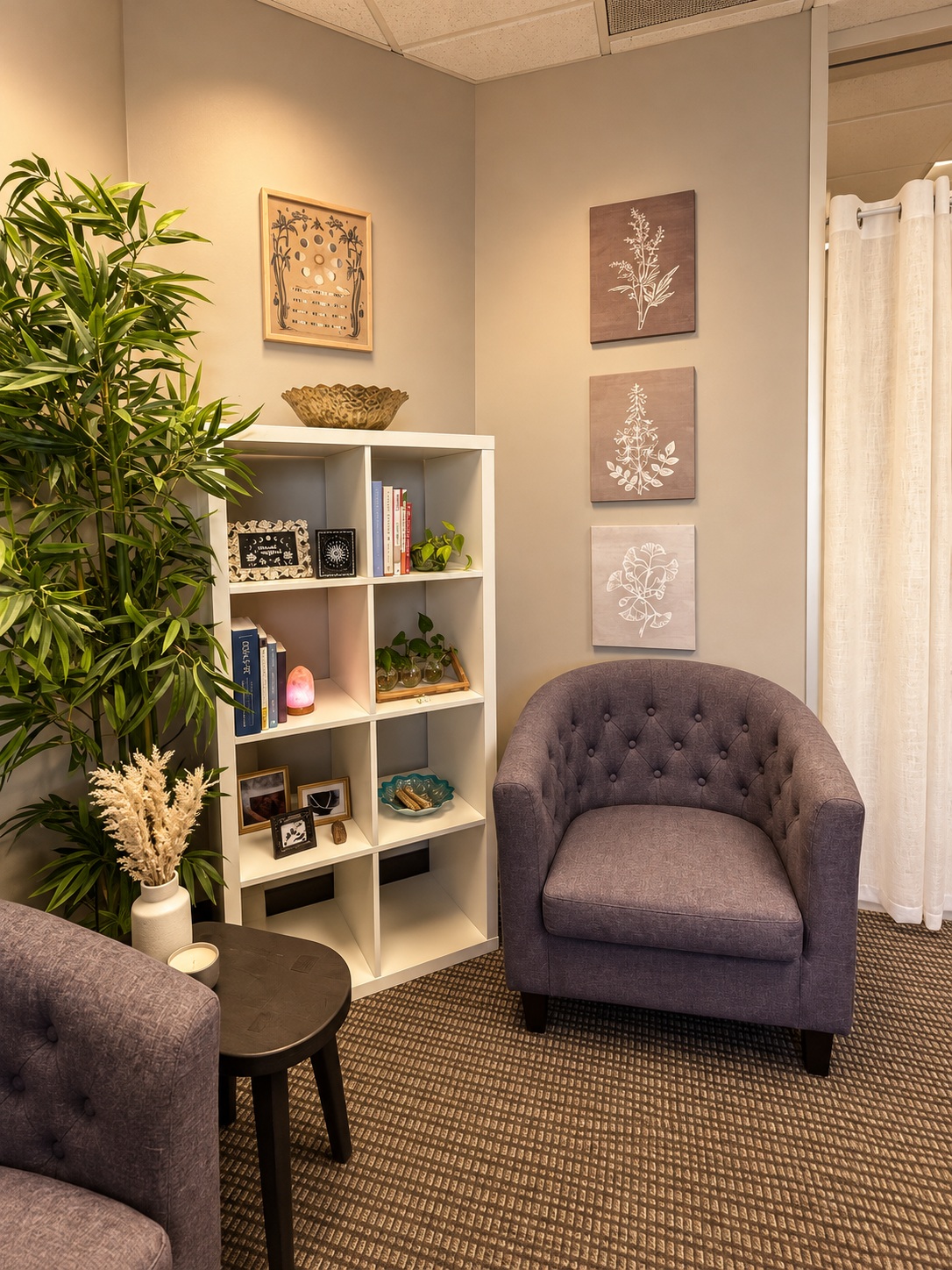
Two upholstered chairs and a bookshelf in a Women’s Recovery office

Common questions

Explore communities we serve and mental health treatment for women in Denver for related guidance. Call admissions when you want to discuss your own situation.

Call Admissions
01 How can I tell whether anxiety or substance use is causing what I feel?

Anxiety can feel physical, emotional, or both, while substance effects may resemble or intensify some of the same experiences. Because symptoms can overlap, a comprehensive assessment considers timing, patterns of use, stress, trauma, health, and daily functioning. That careful view can reduce the chance that an important concern is missed.

02 Can stress or trauma contribute to both anxiety and substance use?

Yes. Stress, trauma, adverse social environments, and inherited characteristics can contribute to both mental health and substance use concerns. Your history does not define you or make recovery impossible. Understanding the factors affecting you can help shape care around your needs, coping patterns, strengths, relationships, and circumstances.

03 What if more than one substance or a prescribed medication is involved?

Using more than one substance can add health risks, including overdose risk, and deserves open discussion with an experienced health professional. Share what you can honestly so the full pattern can be considered. Medication decisions or changes should remain between you and your treating prescriber rather than being made on your own.

04 What RTD rail information can help orient a woman traveling from Centennial, CO toward Denver, CO?

RTD locates Dry Creek Station at 9450 E Dry Creek Rd in Centennial, CO and identifies it as an E Line station. The published E Line endpoints are Union Station and RidgeGate Parkway Station. This does not establish an itinerary, schedule, accessibility, travel time, last-mile connection, or service to Women’s Recovery.

05 Which Arapahoe County resources address substance use and mental-health needs?

Arapahoe County links Colorado LADDERS and OwnPath for finding substance-use treatment and Colorado Crisis Services for crisis support. For mental-health crises, call or text 988 or visit 988Colorado.com; listed local resources include AllHealth Network and OwnPath. These listings do not establish eligibility, capacity, county treatment, or affiliation with Women’s Recovery.

Evidence behind this page

Supporting health information

Read how we select health information sources and apply the Women’s Recovery editorial policy. These references provide general education and context; they do not establish an individual diagnosis, service, or treatment recommendation.

If you can't believe that yet, borrow my hope. Just long enough to find your own.

Women’s Recovery graduate

Start with one conversation. Tell us what you're carrying. We'll walk you through the next step and verify your benefits.