






Denver's women-only program for mental health, trauma and substance use.Call Admissions 833.754.0554
Call 833.754.0554Verify Insurance

Family therapy for women in Aurora, CO

Your symptoms made sense. We treat what they were managing.

Addiction can affect trust, communication, and boundaries throughout a family. Compassionate family involvement can reduce shame and support treatment while allowing each woman to retain her voice, dignity, and choices about recovery.

Call 833.754.0554 to learn what participation could look like for you and your family.

For residents of Aurora, CO. Women’s Recovery lists its physical location in Denver, CO.

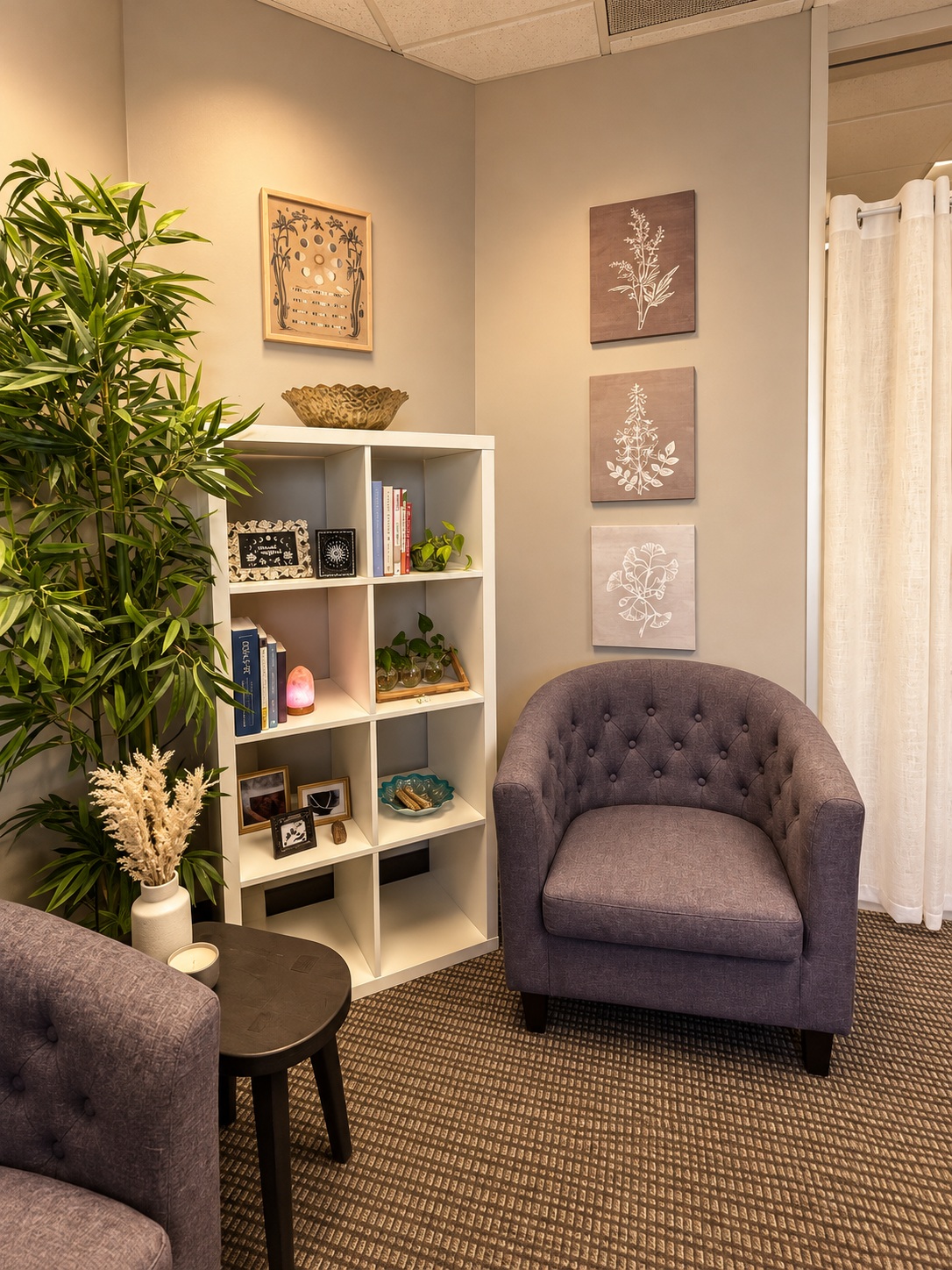
Two upholstered chairs and a bookshelf in a Women’s Recovery office

A look at our space

These are rooms at our Denver office. You spend the day here, and you go home at night.

Seating area with a sofa, round table, plants and artwork at Women’s Recovery Lounge with purple chairs, cream sofa and table Lounge with purple chairs and dried flowers Dark sofa and coffee table in a furnished room Plum armchairs beside a window table Entrance to the Belcaro Place building with the number 3801 above the doors

How can a family in Aurora, CO support a loved one facing addiction?

Family therapy or workshop: Families can help by treating addiction as a medical condition, speaking without blame, and encouraging qualified treatment programs. Family therapy and workshops can strengthen communication, clarify boundaries, and distinguish helping from enabling. A calm, conversation about care in Denver can preserve her dignity and choice.

Supporting guidance: Stigma and Discrimination | National Institute on Drug Abuse (NIDA) Family Workshop

Dark sofa and coffee table in a furnished room

How can a family workshop support loved ones affected by addiction?

A Family Workshop for Women in Denver can help loved ones understand addiction, examine family roles, and practice clearer communication. It may complement group therapy for women and Cognitive Behavioral Therapy (CBT) for women by giving families shared language for recovery-related concerns.

01

Addiction can leave everyone unsure of what to say, when to step in, or how to protect an important relationship.

Workshop topics include helping versus enabling, boundaries, communication, the addiction cycle, and family roles. Education and shared discussion can help you notice patterns without turning the meeting into a search for blame. You can bring honest questions while allowing the woman in treatment to retain her voice and choices.

02

A workshop does not replace individualized treatment or resolve every conflict at home.

It can create a supportive starting point for understanding addiction, discussing expectations, setting personal limits, and communicating more clearly. This shared understanding can help loved ones offer support while respecting the woman’s privacy, choices, and broader care.

What resources can family members use alongside treatment?

Family members can combine workshop education with trusted personal support and their own counseling or peer resources. While she considers trauma-focused therapy for women or Dialectical Behavior Therapy (DBT) for women, you can seek help for the stress, uncertainty, and relationship changes you are carrying.

01

Start with one person you trust, such as a relative, friend, counselor, faith leader, or support-group member.

Before talking, decide what you want from the conversation. You might need someone to listen, help with a practical responsibility, or support you in holding a boundary. Being specific can make asking for help feel more manageable and reduce the chance that others will guess incorrectly about what you need.

02

Family support can address communication breakdowns, changing responsibilities, and the difference between helping and enabling.

Counseling, peer resources, and workshop education can also help you manage your own stress and maintain healthy limits. This support is most constructive when it respects privacy and does not make you responsible for another person’s recovery.

Dark sofa with patterned pillows and a glass table

How can families respond when a loved one does not want help?

If someone does not want help, you can express concern calmly, listen to what she is willing to share, and respect her right to make her own decisions. Clear, realistic support can keep communication open without pressure. You may also contact Women’s Recovery or review admissions at Women’s Recovery for a conversation about available next steps.

01

Choose a relatively calm time and describe what you have noticed using concrete, nonjudgmental language.

Avoid labels, threats you cannot follow through on, or a long debate about whether she has a problem. You can say how the situation affects you, learn what she needs, and listen to her response. If she declines help, leaving the door open for another conversation may be more useful than repeating the same argument.

02

Her reluctance does not mean you have to ignore your own needs.

Decide which boundaries protect your wellbeing, household, finances, or other relationships, then communicate them clearly and consistently. A family workshop or individual support can help you examine whether your actions are reducing harm or unintentionally shielding ongoing problems. You can care deeply about her while acknowledging that you cannot make treatment choices on her behalf.

What could a woman from Aurora, CO expect when considering outpatient treatment in Denver?

Care for women from Aurora at our Denver program may involve traveling to the Women’s Recovery location in Denver for appointments and returning home afterward. Location and travel information can help you understand that practical consideration, while a care conversation can focus on your needs, safety, and preferences.

  1. 01

    Outpatient treatment generally involves scheduled appointments without an overnight stay

  2. 02

    Standard outpatient care may include individual counseling, group sessions, coping-skills education, medication support, or care coordination

  3. 03

    Intensive Outpatient Program (IOP) care involves more intensive, coordinated support, while partial hospitalization or inpatient care may be appropriate when greater structure or protection is needed

  4. 04

    The right level can help you receive care that reflects your clinical needs, safety, and ability to participate while living in Aurora, CO

Plum armchairs beside a window table

Common questions

Explore therapies for women in recovery and give yourself permission to ask for help for related guidance. Call admissions when you want to discuss your own situation.

Call Admissions
01 Who can participate in a family workshop?

The workshop is intended for Women’s Recovery clients and their family members. Participation can provide shared education and support while respecting the client’s care, readiness, privacy, and personal choices.

02 What should I expect to discuss during the workshop?

Discussion may cover addiction and recovery, communication, boundaries, family roles, helping versus enabling, and the addiction cycle. These topics can help clients and loved ones better understand family patterns and practice support that respects each person’s limits and choices.

03 Can a workshop repair a difficult family relationship?

A workshop can provide education, shared language, and space for more thoughtful communication, but it cannot promise reconciliation or change another person’s behavior. It may help you identify patterns, clarify boundaries, and decide what support is realistic. Relationship change usually depends on choices made over time by everyone involved.

04 What travel connection is listed between Aurora, CO and Denver, CO?

RTD’s A Line operates between Denver Union Station in Denver and Denver International Airport, with two stops in Aurora, CO. This named rail relationship can provide general orientation for women considering care. It does not establish a specific itinerary, current frequency, accessibility, travel time, nearest stop, or connection to the Women’s Recovery address.

05 What purposes do Aurora’s naloxone leave-behind program and Mobile Response Team serve?

Aurora Fire Rescue’s naloxone leave-behind program provides naloxone after an overdose event and can connect people with education, treatment, and recovery resources in Aurora, CO. The Aurora Mobile Response Team pairs a mental-health clinician with a paramedic or EMT for behavioral-health crises. Follow the city’s emergency or non-emergency dispatch instructions; this is not routine treatment.

If you can't believe that yet, borrow my hope. Just long enough to find your own.

Women’s Recovery graduate

Start with one conversation. Tell us what you're carrying. We'll walk you through the next step and verify your benefits.