





Denver's women-only program for mental health, trauma and substance use.Call Admissions 833.754.0554
Call 833.754.0554Verify Insurance

Help with borderline personality disorder for women from Aurora, CO

Your symptoms made sense. We treat what they were managing.

Borderline personality disorder: This educational overview gives Aurora readers a limited official statement about borderline personality disorder alongside bounded local information about transit and municipal crisis-response resources.

You do not need certainty when you contact the Denver team. Call 833.754.0554 for a calm conversation about your concerns and possible next steps.

For residents of Aurora, CO. Women’s Recovery lists its physical location in Denver, CO.

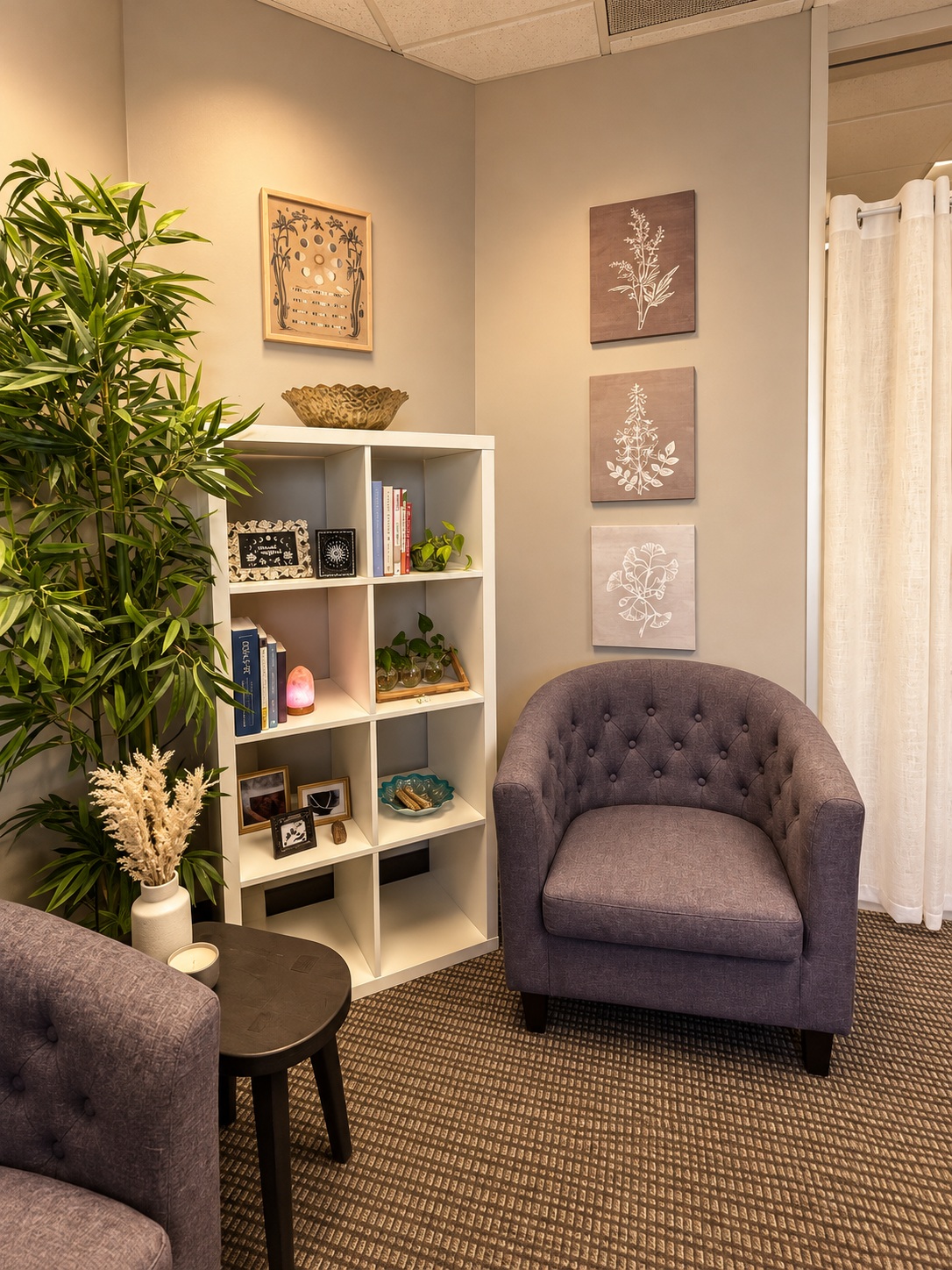
Two upholstered chairs and a bookshelf in a Women’s Recovery office

A look at our space

These are rooms at our Denver office. You spend the day here, and you go home at night.

Seating area with a sofa, round table, plants and artwork at Women’s Recovery Lounge with purple chairs, cream sofa and table Lounge with purple chairs and dried flowers Dark sofa and coffee table in a furnished room Plum armchairs beside a window table Entrance to the Belcaro Place building with the number 3801 above the doors

What effect or risk does this official source identify for borderline personality?

If you are exploring borderline personality disorder, the official source states that borderline personality disorder can cause significant challenges to relationships and emotional well-being. The Aurora location page supplies local context, without turning this general statement into an individual diagnosis.

Supporting guidance: Borderline Personality Disorder - National Institute of Mental Health (NIMH)

Dark sofa and coffee table in a furnished room

What is the best kind of borderline personality disorder support for women?

Borderline personality disorder should help you understand emotional, self-image, impulse, and relationship concerns while respecting your individual circumstances. Learning about personality and enduring relationship patterns support for women and exploring personality-related distress and treatment-fit questions can help you consider care with greater clarity.

01

Borderline personality disorder can substantially affect the ability to regulate emotions.

You might notice feelings becoming overwhelming quickly, impulsive reactions during distress, a shifting sense of yourself, or repeated conflict and insecurity in close relationships. These experiences can interfere with work, routines, decision-making, and connection. Recognizing a pattern cannot establish a diagnosis for you, but it can give you useful language for discussing what you have been living through with a qualified professional.

02

What is the best kind of borderline personality disorder support for women?

An individualized assessment can consider when difficulties began, how consistently they appear, what triggers or intensifies them, and whether depression, anxiety, trauma-related distress, bipolar disorder, substance use, or another concern may overlap. That distinction matters because similar-looking experiences can have different causes. Useful care should address your actual needs while preserving your voice in decisions.

Are there really 18 signs of quiet borderline personality disorder?

There is no single checklist of 18 “quiet” signs that can determine whether you have borderline personality disorder. You may find it more useful to review signs of borderline personality disorder in women alongside information about avoidant personality disorder support for women, because withdrawal and hidden distress can have different explanations.

01

“Quiet borderline personality disorder” is an informal phrase, not a separate diagnosis.

People often use it to describe distress directed inward rather than expressed openly. Possible concerns may include concealing intense emotions, withdrawing after conflict, harsh self-criticism, fear of rejection, an unstable sense of self, or impulsive choices others do not see. These examples are not a diagnostic list. Their duration, intensity, context, and effect on your life all matter.

02

Keeping pain private can make it harder for loved ones to recognize how much you are carrying.

It may also mean your outward functioning does not reflect your internal distress. Women can experience mental health symptoms differently depending on biological, social, and personal factors, but no experience should be attributed to gender alone. A thoughtful evaluation can distinguish an enduring pattern from responses to trauma, anxiety, depression, relationship stress, or another source of emotional pain.

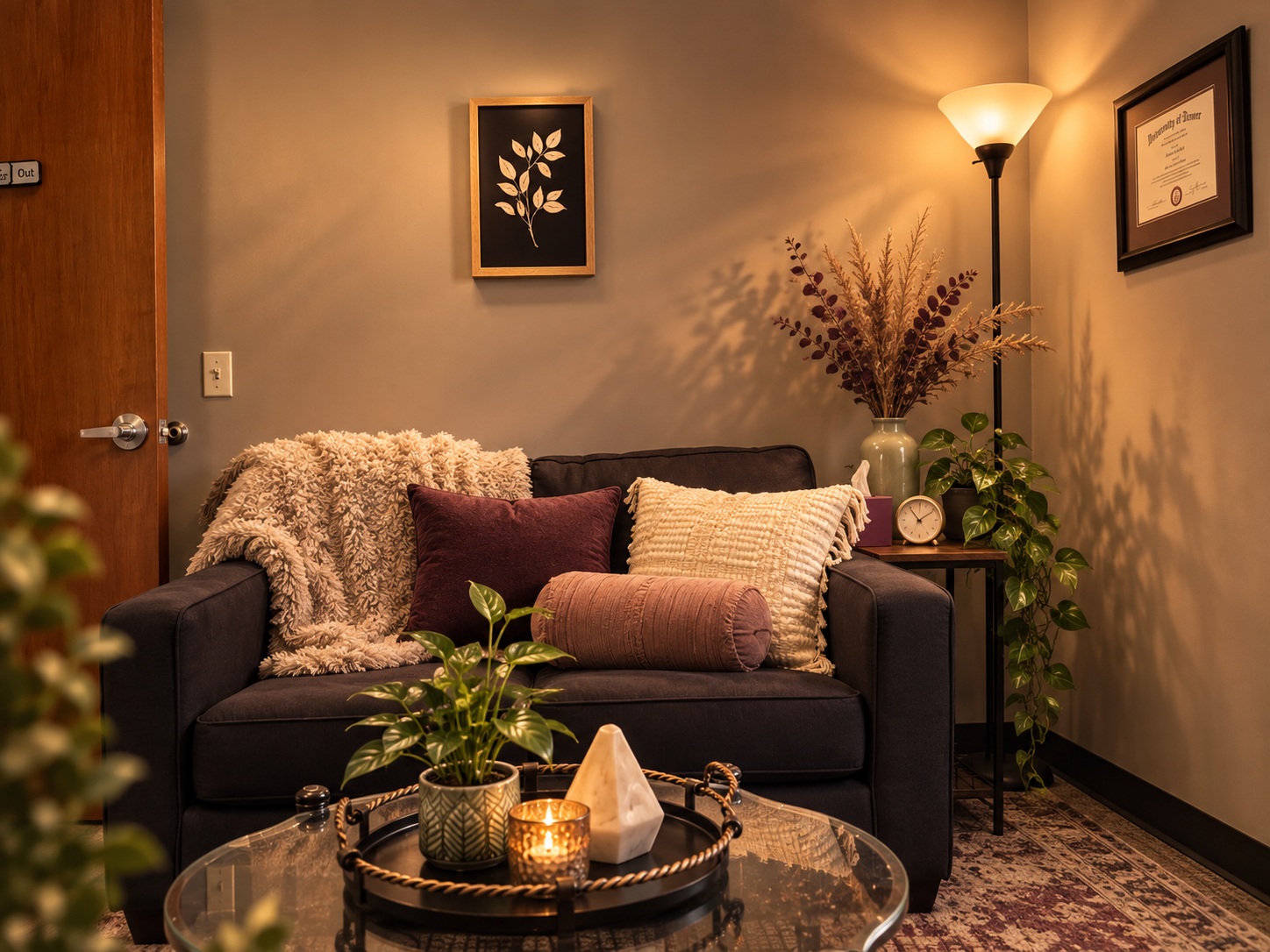
Dark sofa with patterned pillows and a glass table

How can you tell someone with borderline personality disorder that they hurt you?

Choose a calmer moment, describe the specific behavior and its impact, and avoid turning a painful interaction into a judgment about the person. Understanding dependent personality disorder support for women and broader personality and enduring relationship patterns support for women can clarify why respectful boundaries and individualized understanding both matter.

01

Use plain, concrete language focused on one event.

For example, explain what happened, how it affected you, and what boundary you need now. Avoid using a diagnosis as an insult or claiming to know what the other person intended. Emotional regulation difficulties can intensify reactions to perceived criticism or rejection, but they do not erase your right to safety and respect. You can pause a conversation that becomes threatening, abusive, or impossible to continue productively.

02

If you are the woman receiving this feedback, pain or shame may arrive before you can process what was said.

Taking time does not mean ignoring the concern. A pause can create room to separate the other person’s feelings from a total judgment of your worth. Appropriate support can help you recognize recurring conflict patterns, tolerate difficult emotions, communicate needs more clearly, and make deliberate choices about repair, distance, or boundaries in important relationships.

What could a woman from Aurora, CO expect when considering outpatient treatment in Denver?

Care for women from Aurora at our Denver program may involve traveling to the Women’s Recovery location in Denver for appointments and returning home afterward. Location and travel information can help you understand that practical consideration, while a care conversation can focus on your needs, safety, and preferences.

  1. 01

    Outpatient treatment generally involves scheduled appointments without an overnight stay

  2. 02

    Standard outpatient care may include individual counseling, group sessions, coping-skills education, medication support, or care coordination

  3. 03

    Intensive Outpatient Program (IOP) care involves more intensive, coordinated support, while partial hospitalization or inpatient care may be appropriate when greater structure or protection is needed

  4. 04

    The right level can help you receive care that reflects your clinical needs, safety, and ability to participate while living in Aurora, CO

Plum armchairs beside a window table

Common questions

Explore communities we serve and help with avoidant personality disorder for women from Aurora for related guidance. Call admissions when you want to discuss your own situation.

Call Admissions
01 How is borderline personality disorder diagnosed?

A diagnosis comes from a qualified mental health professional who considers how long patterns have lasted, where they appear, how they affect your life, and whether another condition may better explain them. Online descriptions can help you name concerns, but they cannot provide that individualized assessment.

02 Can other mental health concerns resemble borderline personality disorder?

Yes. Depression, anxiety, trauma-related distress, eating concerns, substance use, bipolar disorder, and other difficulties can overlap with parts of this experience. Similarities do not mean the conditions are interchangeable. A careful assessment matters because the most helpful care depends on what is actually contributing to your distress.

03 How can I support a woman I love without losing my own boundaries?

You can be supportive without becoming responsible for controlling every crisis or emotion. Listen, speak respectfully, keep reasonable boundaries, and take threats of self-harm seriously. Consistency is often more helpful than arguing over whether feelings are justified. You are also allowed to seek support for yourself.

04 What travel connection is listed between Aurora, CO and Denver, CO?

Aurora’s official transit information states that the RTD A Line operates between Denver Union Station and Denver International Airport, with two stops in Aurora. This establishes only a named rail relationship. It does not identify the nearest stop, an itinerary, travel time, current frequency, accessibility, or any connection to the Women’s Recovery address.

05 What purposes do Aurora’s naloxone leave-behind program and Mobile Response Team serve?

Aurora describes its Fire Rescue naloxone leave-behind program as providing naloxone after an overdose event and as an entry point for education, treatment, and recovery resources within Aurora. The Mobile Response Team pairs a mental-health clinician with a paramedic or EMT for behavioral-health crises involving mental-health or substance-use concerns. The city page provides emergency and non-emergency dispatch instructions.

If you can't believe that yet, borrow my hope. Just long enough to find your own.

Women’s Recovery graduate

Start with one conversation. Tell us what you're carrying. We'll walk you through the next step and verify your benefits.