






Denver's women-only program for mental health, trauma and substance use.Call Admissions 833.754.0554
Call 833.754.0554Verify Insurance

Help with skin picking / excoriation disorder for women from Aurora, CO

Your symptoms made sense. We treat what they were managing.

Skin picking / excoriation disorder: This educational overview connects Aurora readers with a limited official description of excoriation disorder and municipal information about a named rail relationship and local response resources.

You do not need to have the right label or be certain about treatment when you contact the Denver team.

For residents of Aurora, CO. Women’s Recovery lists its physical location in Denver, CO.

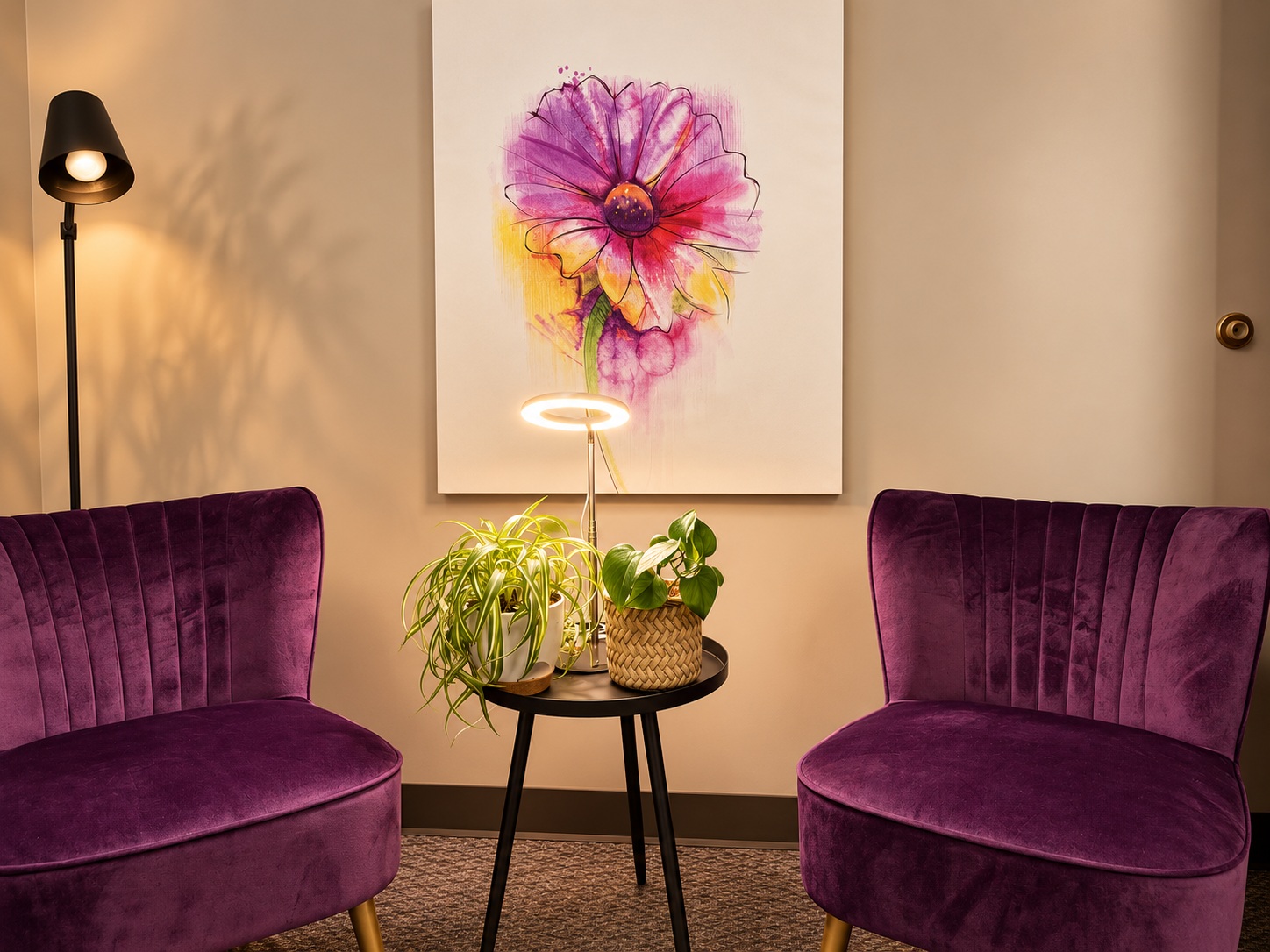
Plum chairs, table and flower painting

A look at our space

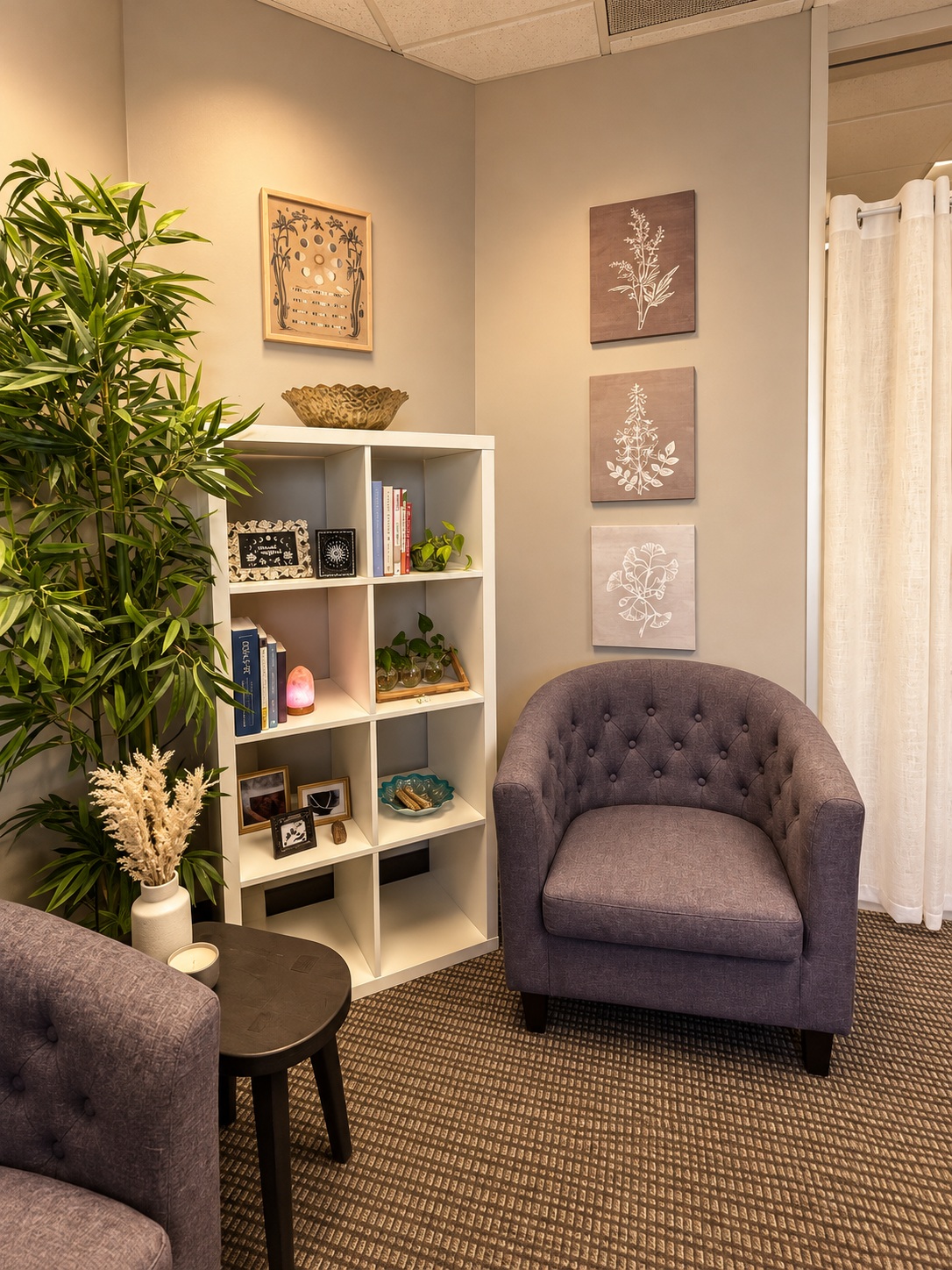
These are rooms at our Denver office. You spend the day here, and you go home at night.

Seating area with a sofa, round table, plants and artwork at Women’s Recovery Lounge with purple chairs, cream sofa and table Lounge with purple chairs and dried flowers Dark sofa and coffee table in a furnished room Plum armchairs beside a window table Entrance to the Belcaro Place building with the number 3801 above the doors

What specific fact does this official source state about excoriation disorder?

For readers exploring skin picking / excoriation disorder, the official source describes excoriation disorder as a compulsion to pick one’s skin. The Aurora location page offers related local context, while this statement remains limited to the source’s specific description.

Supporting guidance: Excoriation Disorder - MeSH - NCBI

Seating area with a sofa, round table, plants and artwork at Women’s Recovery

What mental health concerns can be associated with skin picking?

Skin picking / excoriation disorder can help you consider whether repetitive picking belongs within a broader pattern of obsessive-compulsive and related conditions support for women. Similar-looking behaviors can have different meanings, so comparison with OCD support for women should inform, not replace, an individual assessment.

01

Picking may draw your attention because it feels repetitive, difficult to interrupt, or followed by distress.

You might notice urges, attempts to resist, time lost, skin damage, concealment, or interference with work and relationships. These observations can be clinically useful, but none proves a diagnosis by itself. Appropriate care considers the behavior’s function and impact alongside your emotional health, physical health, and any other repetitive thoughts or actions that concern you.
02

OCD involves recurring, uncontrollable thoughts, repetitive excessive behaviors, or both, and symptoms can significantly disrupt daily life.

Skin picking should not automatically be treated as evidence that you have OCD. A careful conversation can explore whether picking occurs with obsessive fears, another repetitive behavior, anxiety, low mood, a skin concern, or no obvious thought pattern. That distinction matters because useful care should respond to your actual experience rather than a label chosen too quickly.

What treatment is most effective for excoriation disorder?

No single approach can be named as best for every woman from general information alone. Appropriate care starts by understanding your pattern, needs, and goals. Learning about support for obsessive-compulsive and related conditions and hair pulling and trichotillomania support for women may provide helpful context for related repetitive behaviors.

01

A useful assessment looks beyond whether picking occurs.

It considers how often it happens, whether you feel aware or absorbed while doing it, what tends to come before it, and what consequences follow. It should also consider distress, daily functioning, other mental health symptoms, and physical skin concerns. This fuller picture can guide an individualized discussion of care instead of assuming that one method will fit every repetitive behavior or every person.

02

What treatment is most effective for excoriation disorder?

Treatment for obsessive-compulsive symptoms can help people manage symptoms and improve quality of life, but that finding does not make all skin picking identical to OCD. The value of appropriate care is precision: identifying the pattern that is affecting you, choosing goals you can genuinely support, and reviewing whether the approach is helping. If medication becomes part of a treatment conversation, prescribing and medication changes should remain with your treating prescriber.

Two upholstered chairs and a bookshelf in a Women’s Recovery office

Is skin picking a sign of OCD or autism?

Skin picking alone does not tell you whether OCD, autism, excoriation disorder, or another concern is present. If appearance worries accompany the behavior, information about body dysmorphic disorder support for women may add context. You can also explore OCD support for women without deciding that either label fits.

01

The details surrounding the behavior matter.

Picking may be connected with a perceived imperfection, a strong sensory urge, an effort to relieve tension, an automatic routine, or recurring fears and rituals. Those possibilities can overlap, and your experience may not fit neatly into one explanation. An assessment can examine the pattern over time and its relationship to your thoughts, sensations, emotions, and functioning, while leaving room for you to describe it in your own words.

02

Education can help you recognize possibilities, but diagnosis requires more than matching yourself to a list.

OCD is characterized by recurring uncontrollable thoughts, repetitive excessive behaviors, or both, and it often causes meaningful distress or disruption. Autism cannot be determined from picking behavior alone. Appropriate care helps distinguish overlapping signs, identify concerns that deserve attention, and connect recommendations to the difficulties you actually want to change rather than to assumptions about your identity.

What could a woman from Aurora, CO expect when considering outpatient treatment in Denver?

Care for women from Aurora at our Denver program may involve traveling to the Women’s Recovery location in Denver for appointments and returning home afterward. Location and travel information can help you understand that practical consideration, while a care conversation can focus on your needs, safety, and preferences.

  1. 01

    Outpatient treatment generally involves scheduled appointments without an overnight stay

  2. 02

    Standard outpatient care may include individual counseling, group sessions, coping-skills education, medication support, or care coordination

  3. 03

    Intensive Outpatient Program (IOP) care involves more intensive, coordinated support, while partial hospitalization or inpatient care may be appropriate when greater structure or protection is needed

  4. 04

    The right level can help you receive care that reflects your clinical needs, safety, and ability to participate while living in Aurora, CO

Dark sofa and coffee table in a furnished room

Common questions

Explore help with hoarding disorder for women from Aurora and help with body dysmorphic disorder for women from Aurora for related guidance. Call admissions when you want to discuss your own situation.

Call Admissions
01 When does skin picking become a reason to seek support?

A habit may happen occasionally and remain easy to redirect. A more concerning pattern feels difficult to control, repeatedly damages skin, consumes time, causes distress, or changes how you dress, socialize, work, or rest. Those effects are worth discussing even if you are uncertain what to call them.

02 Can I ask for help without knowing whether I have excoriation disorder?

Yes. You can seek an educational conversation before you have a diagnosis or feel ready for treatment. Describing what happens before, during, and after picking can help clarify your concerns. You remain free to decide whether a fuller assessment or another next step feels appropriate.

03 Why does my skin picking seem worse at certain times?

Stress, anxiety, boredom, fatigue, skin sensations, and private downtime may seem connected with picking for some people. Your pattern may differ. Recognizing context can make the behavior feel less mysterious and help a clinician understand what kind of support could fit your needs and daily life.

04 What travel connection is listed between Aurora, CO and Denver, CO?

Aurora’s official transit information states that the RTD A Line operates between Denver Union Station and Denver International Airport, with two stops in Aurora. This establishes only a named rail relationship. It does not identify the nearest stop, an itinerary, travel time, current frequency, accessibility, or any connection to the Women’s Recovery address.

05 What purposes do Aurora’s naloxone leave-behind program and Mobile Response Team serve?

Aurora describes its Fire Rescue naloxone leave-behind program as providing naloxone after an overdose event and as an entry point for education, treatment, and recovery resources within Aurora. The Mobile Response Team pairs a mental-health clinician with a paramedic or EMT for behavioral-health crises involving mental-health or substance-use concerns. The city page provides emergency and non-emergency dispatch instructions.

If you can't believe that yet, borrow my hope. Just long enough to find your own.

Women’s Recovery graduate

Start with one conversation. Tell us what you're carrying. We'll walk you through the next step and verify your benefits.