



Denver's women-only program for mental health, trauma and substance use.Call Admissions 833.754.0554
Call 833.754.0554Verify Insurance

Help with autistic women and co-occurring mental-health for women from Aurora, CO

Your symptoms made sense. We treat what they were managing.

Autistic women and co-occurring mental-health: This page shares one retained national statement about autism alongside limited Aurora context concerning the city’s named rail relationship and municipal behavioral-health response resources.

You do not need a diagnosis, a perfect explanation, or certainty about care when you contact the Denver team.

For residents of Aurora, CO. Women’s Recovery lists its physical location in Denver, CO.

Lounge with purple chairs and dried flowers

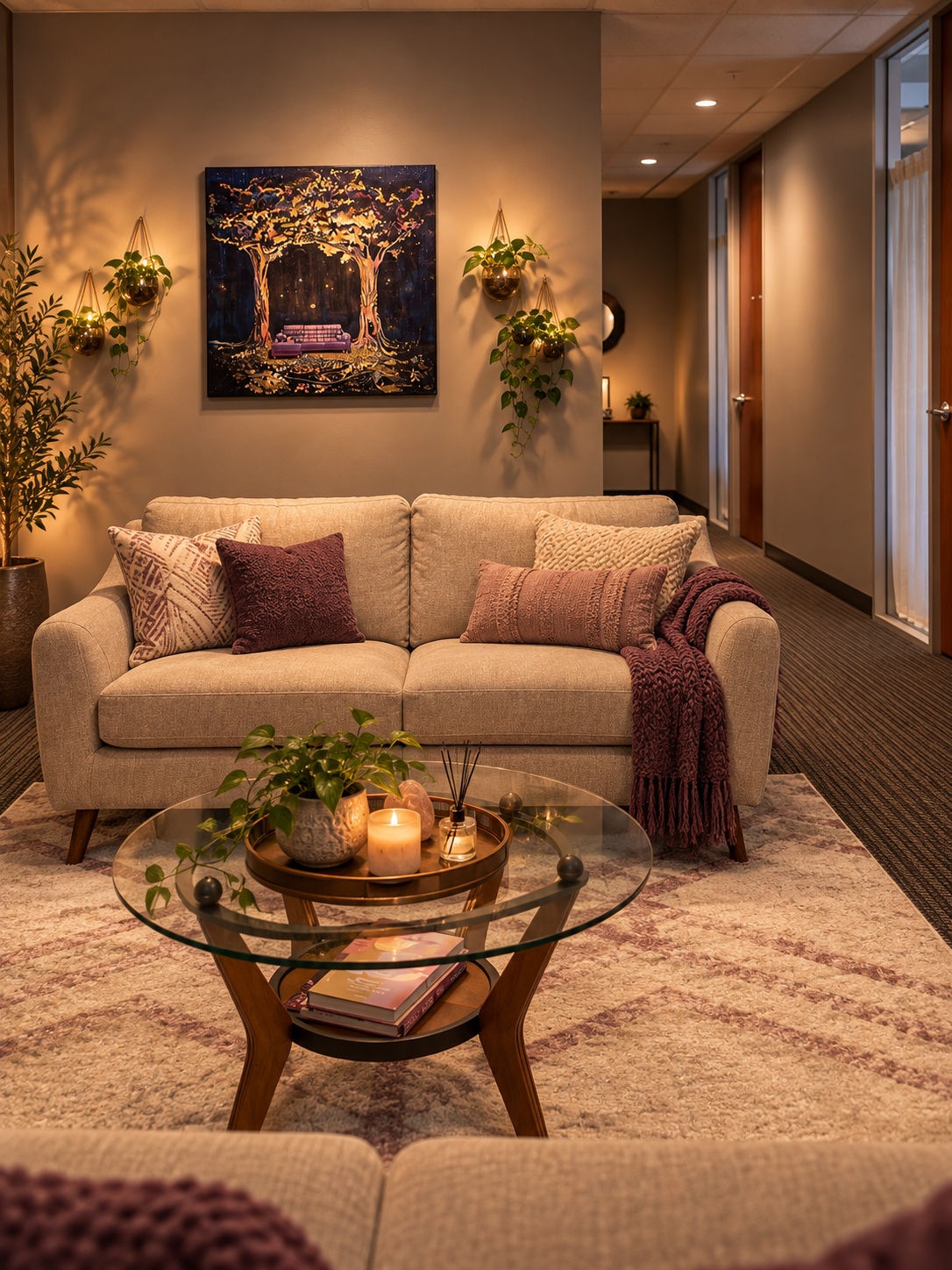
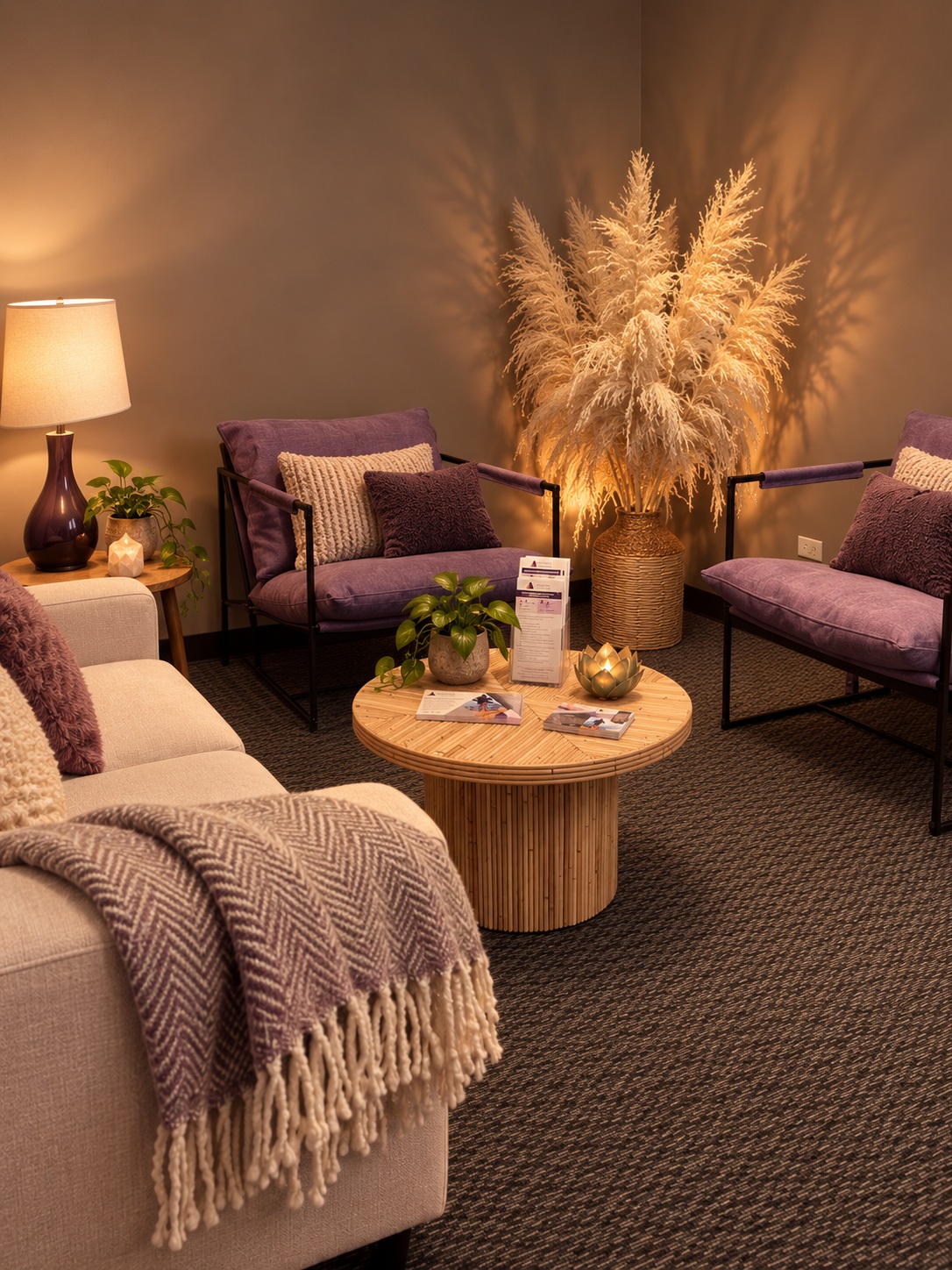
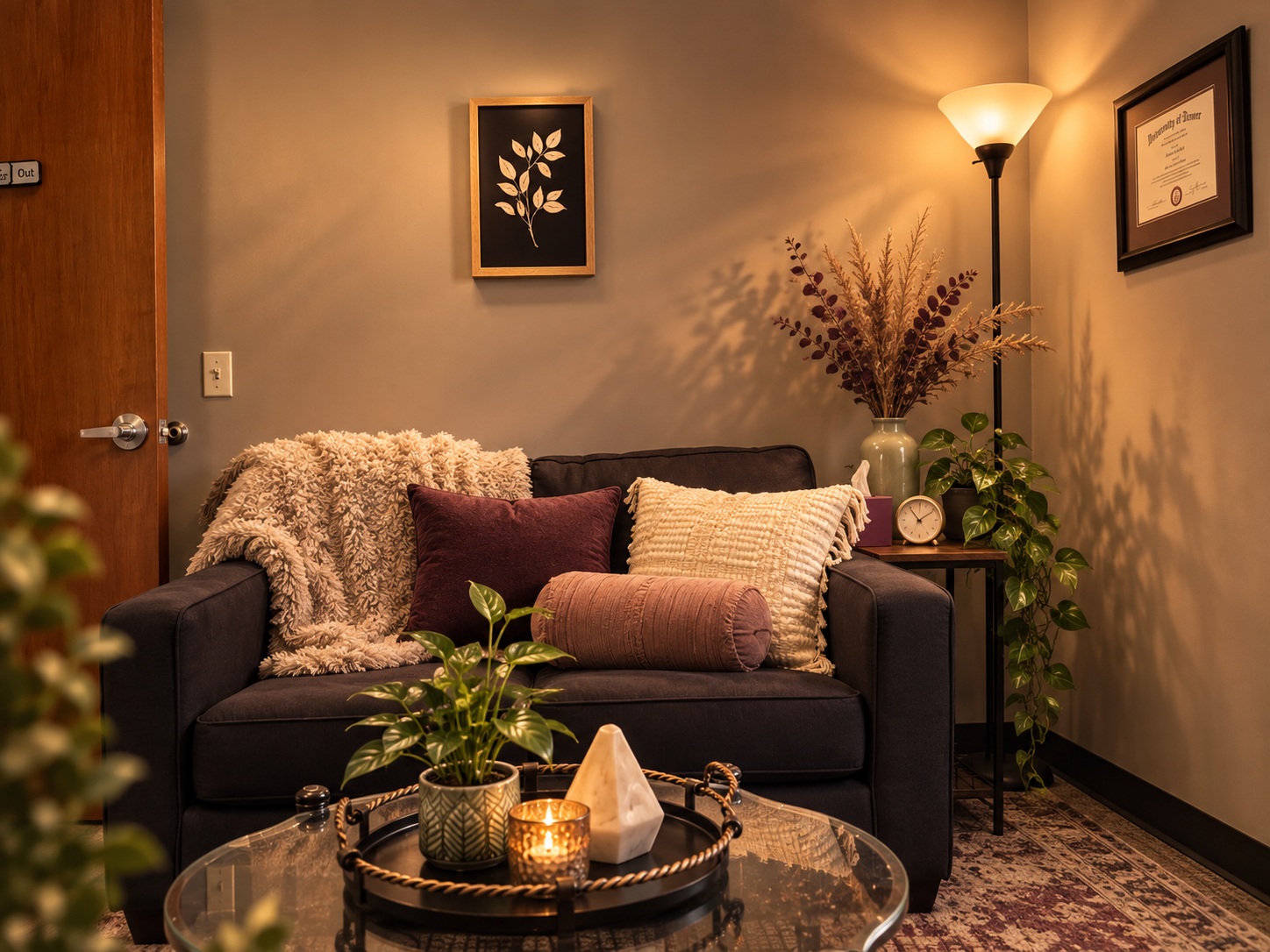
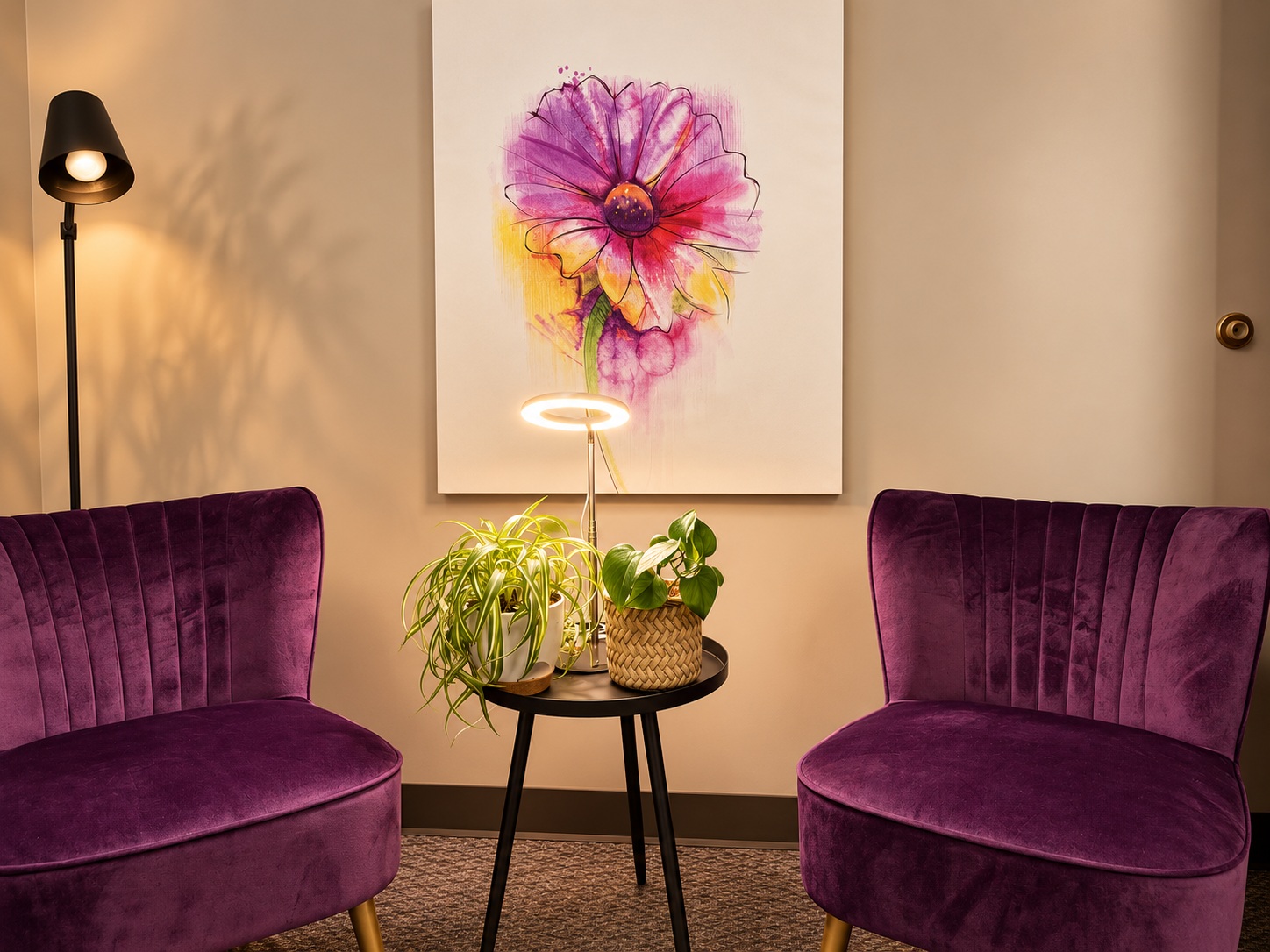
A look at our space

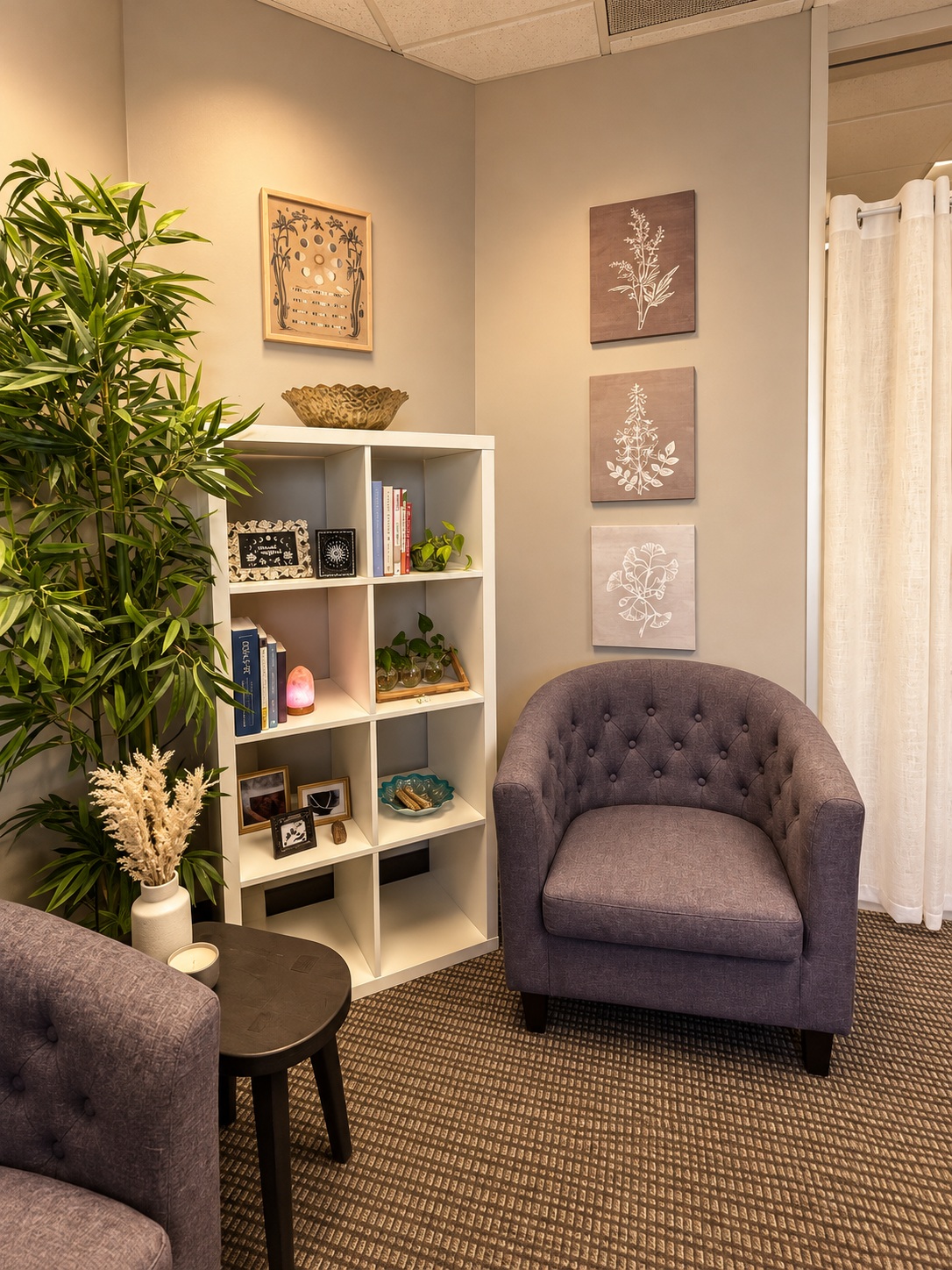
These are rooms at our Denver office. You spend the day here, and you go home at night.

Seating area with a sofa, round table, plants and artwork at Women’s Recovery Lounge with purple chairs, cream sofa and table Lounge with purple chairs and dried flowers Dark sofa and coffee table in a furnished room Plum armchairs beside a window table Entrance to the Belcaro Place building with the number 3801 above the doors

What health conditions can occur alongside autism?

NIMH states that people with autism have a wide range of symptoms, which can include differences in social and communication behaviors, intellectual disabilities, and other physical and mental health conditions. This retained fact accompanies autistic women and co-occurring mental-health; the Aurora page is a separate geographic reference.

Supporting guidance: Autism Spectrum Disorder - National Institute of Mental Health (NIMH)

Plum chairs, table and flower painting

What co-occurring mental-health concerns may affect autistic women?

If you are seeking autistic women and co-occurring mental-health, it can help to consider the whole picture. Neurodivergence and co-occurring support for women can account for overlapping needs, while co-occurring mental health and substance use support for women addresses concerns that may interact.

01

There is no single profile that applies to every autistic woman.

Concerns worth discussing may include anxiety, depressed mood, trauma-related distress, eating difficulties, substance use, exhaustion, or trouble managing everyday demands. A concern can be significant even when you have learned to hide it from other people. Looking at when it began, what intensifies it, and how it affects daily functioning can help distinguish connected concerns from experiences that need separate attention.
02

Co-occurring conditions can influence one another, changing symptoms, treatment needs, and health.

Addressing related concerns together is often more useful than treating each as an isolated problem. For you, that could mean considering mental health, substance use, sensory strain, communication, physical health, and daily pressures within one coherent picture. Appropriate care should reduce shame and support informed choices, rather than treating every difficulty as part of autism or overlooking autism when interpreting your experiences.

What makes Colorado, and Denver, CO, a useful place to seek support?

The value of seeking care in Colorado depends less on a broad state ranking and more on whether the care fits you. In Denver, you can explore admissions at Women’s Recovery or contact Women’s Recovery to discuss your concerns, preferences, and possible next steps before making a commitment.

01

A useful option should be able to consider concerns that occur together rather than requiring you to choose one issue as the only priority.

Accurate assessment matters because mental-health and substance-use symptoms can overlap. Care from professionals experienced with both areas can lower the chance of a missed concern and support a more effective plan. If autism, sensory needs, or communication differences are relevant to you, those factors also deserve space in the conversation.

02

Location matters when it affects whether care is realistically accessible, but geography alone does not determine quality or fit.

Consider whether you feel heard, whether explanations are understandable, and whether your priorities can shape decisions. Autistic women and co-occurring mental-health Support guidance for women in Denver should help you understand meaningful options, not pressure you toward a predetermined path. A first conversation can clarify whether continuing locally feels useful for your circumstances.

Seating area with a sofa, round table, plants and artwork at Women’s Recovery

Can a six-second rule identify autism or a co-occurring condition?

No brief timing rule can determine whether you are autistic or have another mental-health condition. Sensory and communication needs may shape pauses, eye contact, or response style, while personality-related concerns and substance use support for women can address patterns requiring careful, individualized assessment.

01

A pause before answering can reflect many things, including processing time, uncertainty, anxiety, sensory overload, fatigue, or a wish to choose precise words.

One behavior observed for a few seconds cannot explain your developmental history or current needs. Helpful assessment looks for patterns across time and settings, asks how they affect your life, and considers alternative explanations. Only a qualified clinician can diagnose autism or another mental-health condition after an appropriate evaluation.

02

Quick rules can feel appealing when you have spent a long time searching for an explanation, but they can also flatten a complicated experience.

Accurate assessment is especially important when symptoms overlap, because a missed concern can lead to care that does not fit. Clear guidance about autistic women and co-occurring mental-health should leave room for uncertainty while still helping you address distress, safety, and daily functioning now.

What could a woman from Aurora, CO expect when considering outpatient treatment in Denver?

Care for women from Aurora at our Denver program may involve traveling to the Women’s Recovery location in Denver for appointments and returning home afterward. Location and travel information can help you understand that practical consideration, while a care conversation can focus on your needs, safety, and preferences.

  1. 01

    Outpatient treatment generally involves scheduled appointments without an overnight stay

  2. 02

    Standard outpatient care may include individual counseling, group sessions, coping-skills education, medication support, or care coordination

  3. 03

    Intensive Outpatient Program (IOP) care involves more intensive, coordinated support, while partial hospitalization or inpatient care may be appropriate when greater structure or protection is needed

  4. 04

    The right level can help you receive care that reflects your clinical needs, safety, and ability to participate while living in Aurora, CO

Two upholstered chairs and a bookshelf in a Women’s Recovery office

Common questions

Explore communities we serve and help with sensory and communication needs in treatment for women from Aurora for related guidance. Call admissions when you want to discuss your own situation.

Call Admissions
01 Can educational support tell me whether I am autistic?

Education can help you name patterns, understand how concerns may interact, and decide whether an assessment feels worthwhile. A diagnosis requires a qualified clinician who reviews your history, current experiences, daily functioning, and possible overlapping explanations. You remain free to choose whether and when to pursue that process.

02 What should I discuss first when several concerns overlap?

reflect on or communicate the situations that are hardest right now, such as sensory overload, disrupted routines, exhaustion, low mood, anxiety, eating concerns, or substance use. You do not need to organize everything perfectly. A conversation can begin with the concern that most affects your safety, health, or daily life.

03 Why do sensory and communication needs matter in care?

Sensory strain may affect how comfortably you participate, process spoken information, or remain in a busy environment. Communication preferences can also influence how easily you explain symptoms and choices. Care is more useful when these needs are considered alongside mental-health or substance-use concerns instead of being mistaken for resistance or indifference.

04 What travel connection is listed between Aurora, CO and Denver, CO?

Aurora’s official transit page says the RTD A Line operates between Denver Union Station and Denver International Airport, with two stops in Aurora. This establishes only a named rail relationship. It does not identify the nearest stop, a specific itinerary, travel time, current frequency, accessibility, or any connection to the Women’s Recovery address.

05 What purposes do Aurora’s naloxone leave-behind program and Mobile Response Team serve?

Aurora says its Fire Rescue naloxone leave-behind program is intended to provide naloxone after an overdose event and serve as an entry point for education, treatment, and recovery resources. Its Mobile Response Team pairs a mental-health clinician with a paramedic or EMT for behavioral-health crises. The city page gives emergency and non-emergency dispatch instructions; neither is a Women’s Recovery service.

If you can't believe that yet, borrow my hope. Just long enough to find your own.

Women’s Recovery graduate

Start with one conversation. Tell us what you're carrying. We'll walk you through the next step and verify your benefits.