






Denver's women-only program for mental health, trauma and substance use.Call Admissions 833.754.0554
Call 833.754.0554Verify Insurance

Help with persistent depressive disorder for women from Aurora, CO

Your symptoms made sense. We treat what they were managing.

If you’re living with persistent depressive disorder, you don’t need a substance use diagnosis to begin. Healing begins in our Partial Hospitalization Program: a full day of care, and home every night. Women from Aurora start at our Denver program.

You deserve to be heard without shame or pressure, even if you are unsure what your symptoms mean.

For residents of Aurora, CO. Women’s Recovery lists its physical location in Denver, CO.

Seating area with a sofa, round table, plants and artwork at Women’s Recovery

A look at our space

These are rooms at our Denver office. You spend the day here, and you go home at night.

Seating area with a sofa, round table, plants and artwork at Women’s Recovery Lounge with purple chairs, cream sofa and table Lounge with purple chairs and dried flowers Dark sofa and coffee table in a furnished room Plum armchairs beside a window table Entrance to the Belcaro Place building with the number 3801 above the doors

How does this official source describe depressive?

For readers exploring persistent depressive disorder, NIMH states that persistent depressive disorder, also called dysthymia or dysthymic disorder, consists of less severe depression symptoms that last much longer, usually for at least two years. This is general educational information. The Aurora information page offers local context.

Supporting guidance: Depression - National Institute of Mental Health (NIMH)

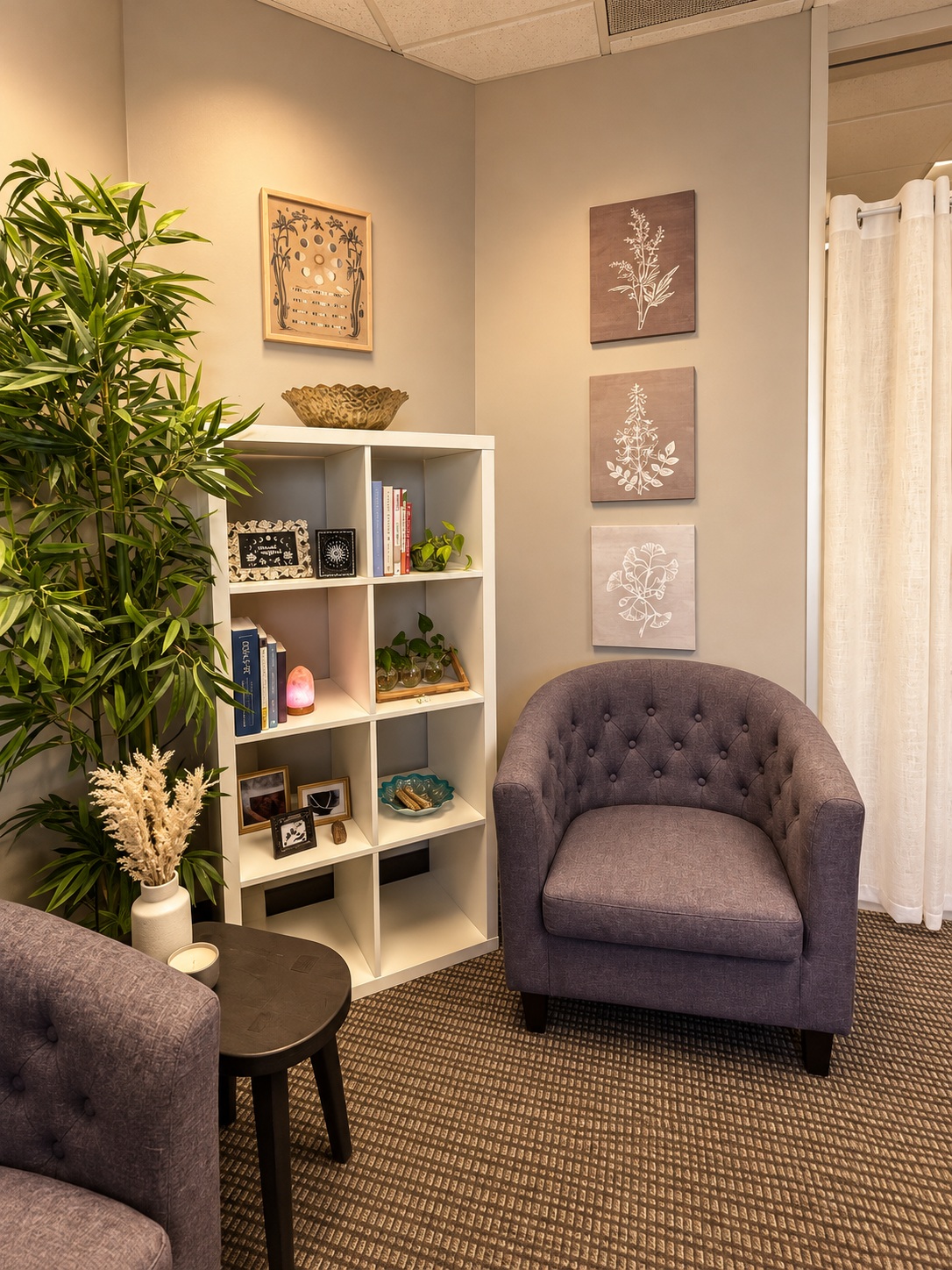
Two upholstered chairs and a bookshelf in a Women’s Recovery office

What resources are available for women with persistent depressive disorder?

Persistent depressive disorder may include reliable education, an individualized clinical evaluation, and care suited to your needs. Learning about depression support for women and reviewing admissions at Women’s Recovery can help you understand your choices without committing before you feel ready.

01

Persistent depressive disorder, sometimes called dysthymia, involves depression symptoms that are generally less severe but last much longer, usually for at least two years.

That long duration can make low mood, reduced energy, sleep changes, or trouble managing daily life feel familiar rather than treatable. Familiarity does not make your concern unimportant. A clinician can explore how long symptoms have lasted, how often they occur, and how much they affect your work, relationships, caregiving, and well-being.

02

Useful support meets you where you are.

It may begin with education about depression patterns and a conversation with a qualified professional who can evaluate your particular symptoms. That distinction matters because information can help you recognize concerns, but it cannot diagnose you. Even people with only a few depression symptoms may benefit from treatment. You can contact Women’s Recovery at 833.754.0554 to talk through what you are experiencing and consider a next step without pressure.

What treatment is most effective for dysthymia?

There is no single treatment choice that is most effective for every person with dysthymia. Appropriate care reflects your symptoms, their duration and severity, your health history, and daily circumstances. Comparing recurrent depression support for women with treatment-resistant depression support for women can clarify why careful evaluation matters.

01

A useful evaluation looks beyond whether you feel sad.

Depression can affect thinking, sleep, eating, motivation, work, and other daily activities. Your clinician may consider whether symptoms have remained relatively steady, appeared as distinct episodes, or changed around particular life or reproductive transitions. Those differences can influence what care is appropriate. Treatment decisions should be personal rather than based on the assumption that every long-lasting low mood has the same cause, pattern, or effect on daily functioning.

02

Treatment can still be worthwhile when symptoms do not feel dramatic.

Persistent symptoms may gradually narrow routines, strain relationships, or make ordinary responsibilities require more effort. Care offers a structured opportunity to understand those effects and choose support that fits your needs. If medication is being considered or you already take medication, prescribing and medication-change decisions belong with your treating prescriber. You deserve clear explanations and room to weigh benefits, concerns, preferences, and next steps at your own pace.

Dark sofa and coffee table in a furnished room

Can dysthymia be considered a disability?

Persistent depressive symptoms can become disabling when they substantially limit work or other major daily activities, but the effect differs for each person and setting. Exploring major depressive disorder support for women and contacting Women’s Recovery can help you separate diagnostic questions from practical concerns about daily functioning.

01

The diagnosis alone does not show exactly how symptoms affect you.

One woman may continue meeting visible responsibilities while using enormous energy to do so, while another may struggle with attendance, concentration, sleep, meals, or basic routines. An evaluation can document the nature, duration, severity, and practical effect of symptoms. That clinical understanding can support care decisions, but disability eligibility is a separate determination governed by the applicable workplace, benefits program, or other formal standard.

02

You do not have to prove that you are completely unable to function before seeking care.

Difficulty sustaining attention, keeping routines, completing work, or staying connected with people can be meaningful even when others do not notice. Appropriate support can focus on the areas of life that have become harder and help you understand the depression pattern involved. If you have questions about formal accommodations or benefits, rely on the responsible program or a qualified adviser for current requirements.

What could a woman from Aurora, CO expect when considering outpatient treatment in Denver?

Care for women from Aurora at our Denver program may involve traveling to the Women’s Recovery location in Denver for appointments and returning home afterward. Location and travel information can help you understand that practical consideration, while a care conversation can focus on your needs, safety, and preferences.

  1. 01

    Outpatient treatment generally involves scheduled appointments without an overnight stay

  2. 02

    Standard outpatient care may include individual counseling, group sessions, coping-skills education, medication support, or care coordination

  3. 03

    Intensive Outpatient Program (IOP) care involves more intensive, coordinated support, while partial hospitalization or inpatient care may be appropriate when greater structure or protection is needed

  4. 04

    The right level can help you receive care that reflects your clinical needs, safety, and ability to participate while living in Aurora, CO

Dark sofa with patterned pillows and a glass table

Common questions

Explore care for women from Aurora at our Denver program and communities we serve for related guidance. Call admissions when you want to discuss your own situation.

Call Admissions
01 How is persistent depressive disorder different from major depression?

Persistent depressive disorder often involves depression symptoms that are less severe but continue much longer, usually for at least two years. Major depressive disorder may involve more severe symptoms. Only a qualified clinician can determine which pattern fits, especially because symptoms, severity, frequency, and duration differ from person to person.

02 When should I seek help for long-lasting depression symptoms?

Consider talking with a clinician when low mood, sleep or eating changes, low energy, or difficulty concentrating continue or interfere with work, relationships, caregiving, or everyday responsibilities. You do not need to wait until symptoms become severe. Even a few persistent symptoms may respond to appropriate care.

03 Can reproductive changes affect depression symptoms?

Yes. Pregnancy, the postpartum period, the menstrual cycle, and menopause involve physical and hormonal changes that can contribute to depressive episodes for some people. Timing does not prove a cause, but it is relevant information for a clinician evaluating your symptoms and helping you consider appropriate care.

04 What travel connection is listed between Aurora, CO and Denver, CO?

Aurora’s official transit information says the RTD A Line operates between Denver Union Station and Denver International Airport, with two stops in Aurora. This establishes a named rail relationship between Aurora and Denver only. It does not specify the reader’s nearest stop, itinerary, travel time, frequency, accessibility, or any connection to a Women’s Recovery address.

05 What purposes do Aurora’s naloxone leave-behind program and Mobile Response Team serve?

Aurora says its Fire Rescue naloxone leave-behind program provides naloxone after an overdose event and serves as an entry point for education, treatment, and recovery resources. Its Mobile Response Team pairs a mental-health clinician with a paramedic or EMT for behavioral-health crises involving mental-health or substance-use concerns. Use the city page’s emergency and non-emergency dispatch instructions.

If you can't believe that yet, borrow my hope. Just long enough to find your own.

Women’s Recovery graduate

Start with one conversation. Tell us what you're carrying. We'll walk you through the next step and verify your benefits.