

Original article
If work and care feel difficult to balance, explore treatment while working for women or review admissions at Women’s Recovery.
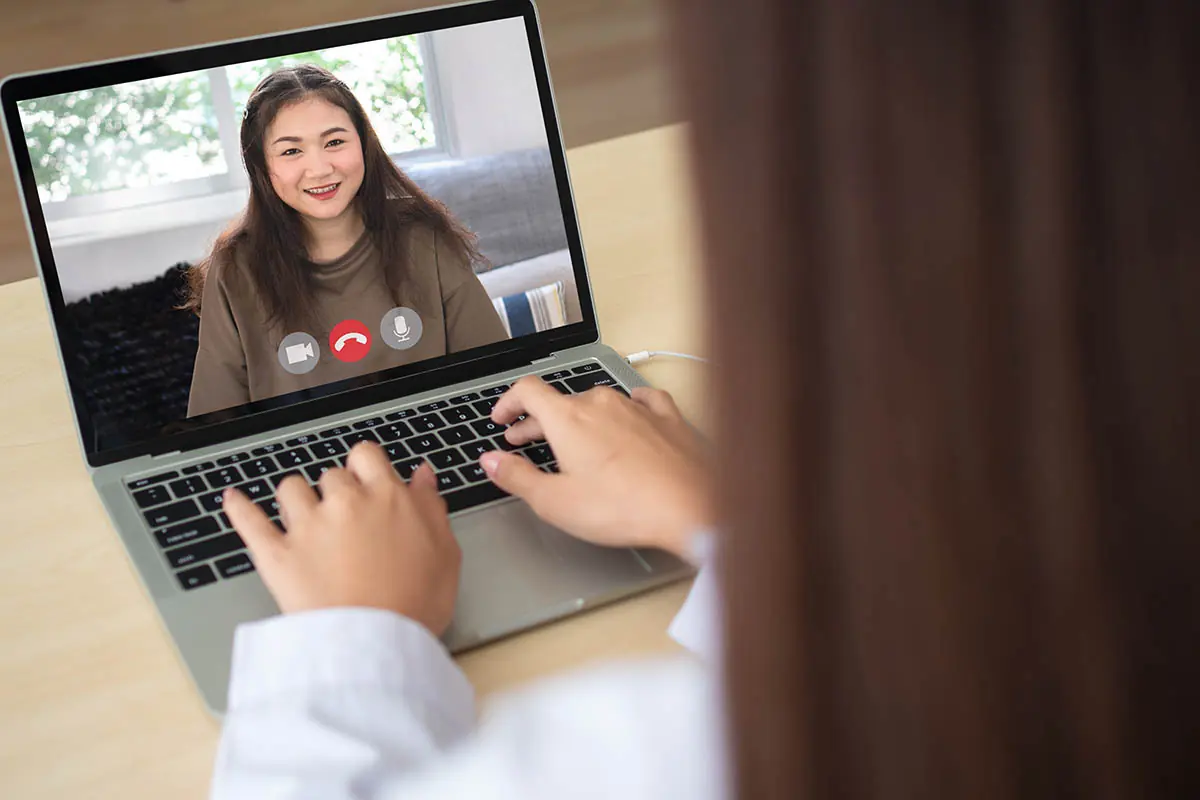
More people than ever before are working from home. When COVID-19 arrived in our country, many people had to pack up their desks and set up shop at home. For some, working from home is a welcome change. For others, it presents insurmountable challenges. People have had to find a new balance between their work and home life and have had to find a way to handle their responsibilities while facing new, mounting stresses. Taking care of your mental health has become at once more challenging and more critical than ever. Caring for your mental health while working from home takes some planning and effort, but feeling less stressed is worth it.
If you or a woman you love needs mental health treatment, reach out to the compassionate staff at Women’s Recovery. We believe in empowering women by giving them the tools they need to improve their mental health. Call 833.754.0554 or fill out an online intake form here.

Make a Work From Home Routine
Without the commute to work, it can be hard to differentiate between the end of your morning at home and the start of your workday. Creating a reliable routine can help combat the blurred line between home and work, both at the beginning and end of the day. Start the day with a morning activity that energizes you. Do some exercise or meditate. Open all the curtains, play music, eat a healthy breakfast, or enjoy a cup of coffee or tea while reading or relaxing.
Don’t do any work-related activities until your workday has officially started. During work hours, take regularly scheduled breaks. Step away from your workspace and do something relaxing during these breaks. Do something that clearly marks the end of your work hours. This could be turning on music, going for a walk outside, or any other activity that gives you joy.
Keep Work and Home Separate
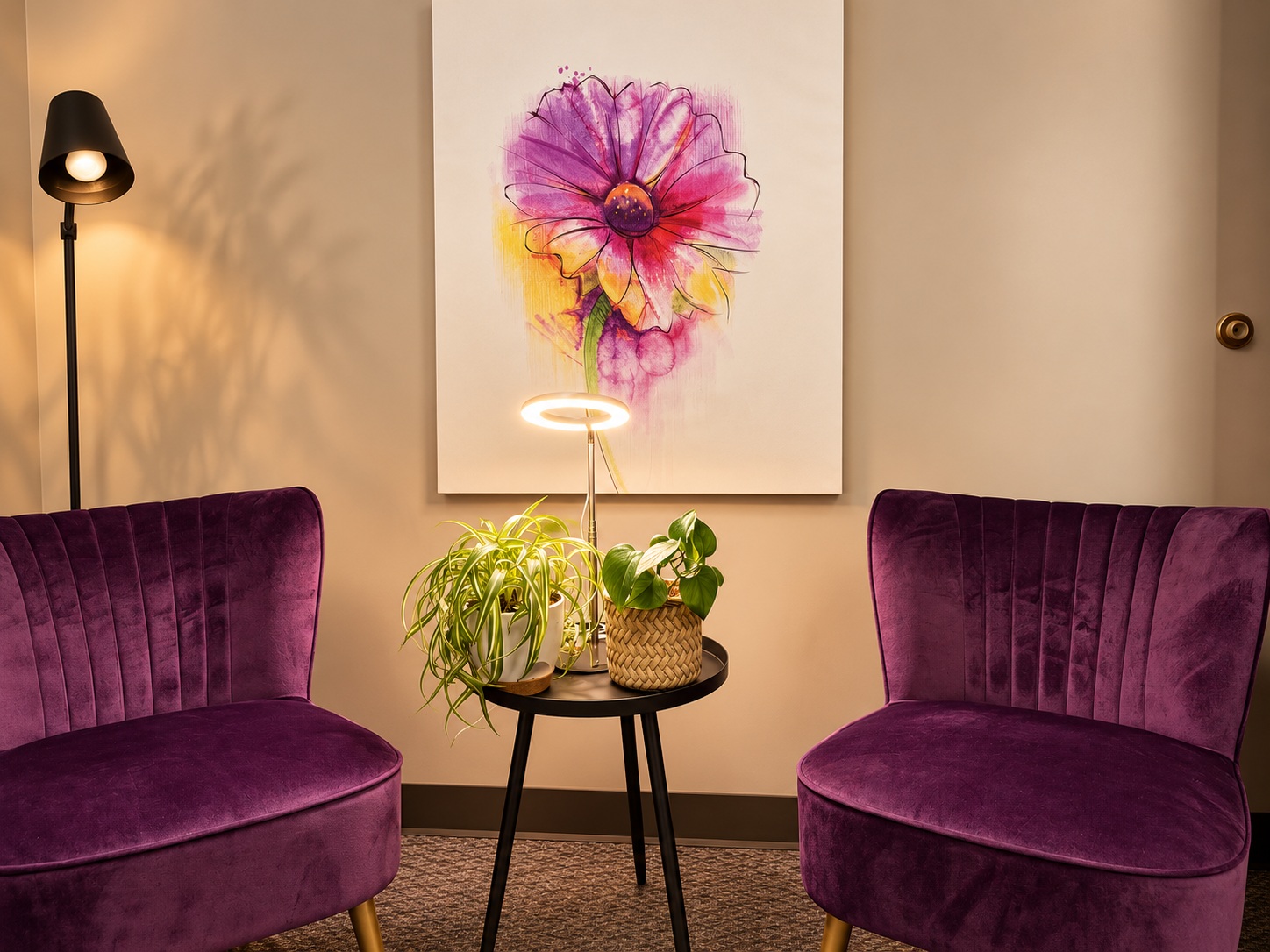
Separating your workspace from the rest of your home can help you effectively separate your work and home life. Find a space for a desk or table in your home, preferably not in your bedroom, where you can work comfortably. If possible, set up a physical barrier around your workspace to make it feel like a completely separate area. If you can’t carve out a different physical space for work, find a way to make the area separate in your mind. This could include:
- Burning a scented candle or diffusing essential oils during work hours
- Turning off the light around your workspace at the end of your workday
- Closing your laptop or cover up your computer screen when you finish work
- Avoiding the temptation to check work emails when your workday ends
It is easy to feel like you are never truly away from work when working from home. Fight this by putting clear boundaries around your workspace and work hours.

Practice Self-Care
Self-care is about more than little moments of care. Real self-care means taking care of your whole self. It means being thoughtful about your body, mind, and spirit needs to be healthy and build good practices into your daily life. Self-care means eating well and exercising, having a good support system, and asking for help when you need it. If you feel like your mental health is declining, find a mental health treatment program to help you manage your symptoms. If you are already in mental health treatment, keep up with your appointments and practices. Discuss any changes in your mental health with your therapist or doctor as soon as you notice them.
Learn More about Mental Health at Women’s Recovery
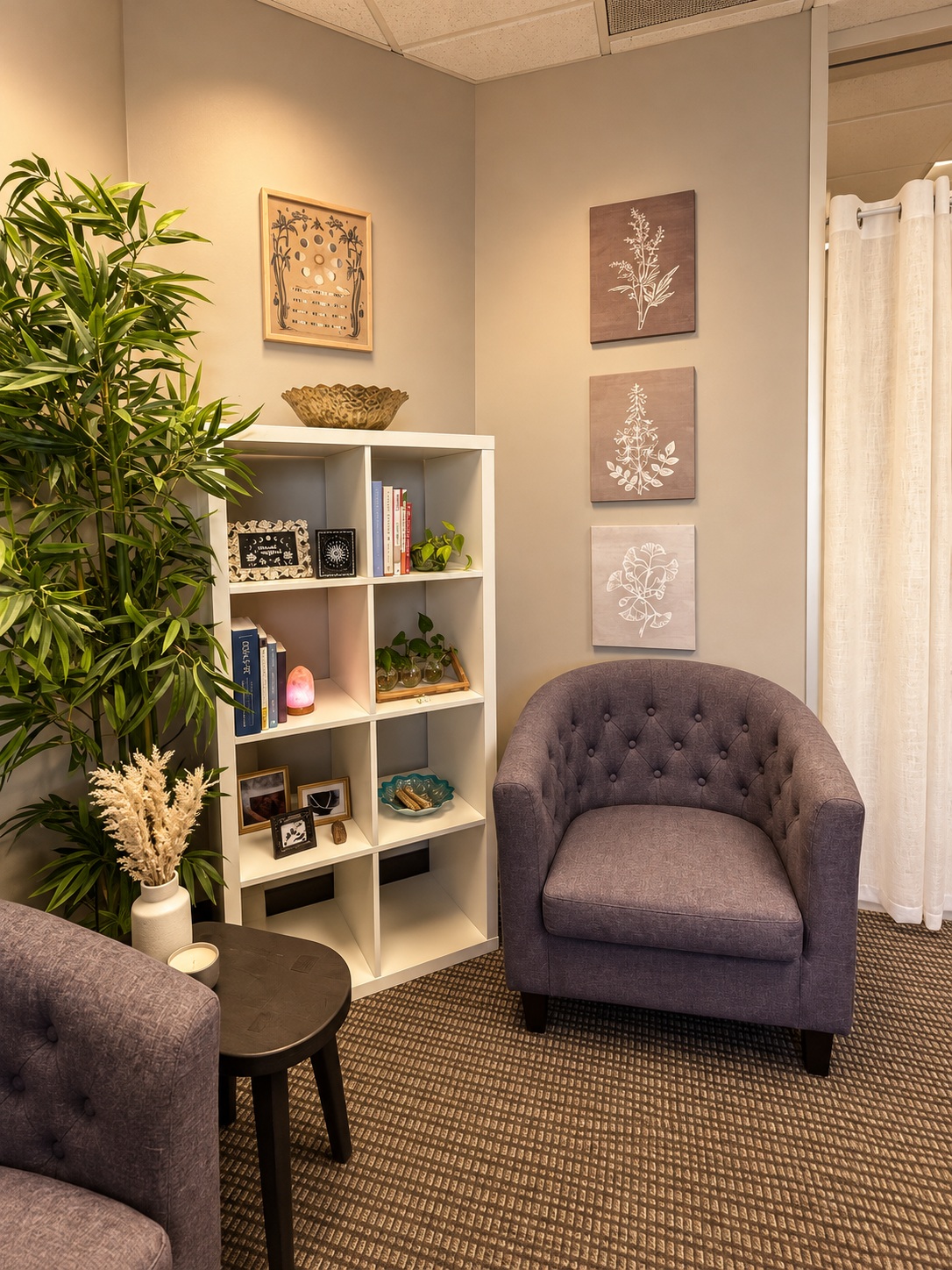
Working from home and managing the stress of the COVID-19 pandemic has presented new challenges for many people. You do not have to go through this alone. If you need support during this time, please reach out to the staff at Women’s Recovery to talk about our programs. We offer:
If you are ready to take the first step in caring for your mental health, we will walk the rest of the way with you. Call our staff today at 833.754.0554 or fill out an online intake form here.