


Original article
Trauma-focused addiction treatment for women and information about trauma and stressor-related concerns can offer a clearer way to consider what you are experiencing now.
Addiction impacts every part of a person’s life. It can have devastating consequences for their physical and mental health and can affect their ability to function in day-to-day life. The effects of addiction are long-lasting for both the person and the community around them. Addiction doesn’t just appear out of nowhere. It has deep biological and environmental causes. As we learn more about the roots of addiction, researchers have honed in on the role that trauma plays in the disease. Research suggests that trauma and addiction are closely related, especially for women. Women who struggle with addiction may benefit from women’s trauma treatment to completely recover from addiction.
If you or a woman you love require compassionate substance abuse treatment, you are not alone. The staff at Women’s Recovery work to empower women to recover from addiction and gain the skills they need to live whole, self-directed lives without substances. For more information about our programs, call 833.754.0554 or fill out an online intake form here.

What Is Trauma?
Trauma is an intense psychological response to a highly stressful event. People may experience trauma after surviving a war, accident, natural disaster, assault, or another frightening or life-threatening event. Not everyone who lives through a stressful event will develop trauma, and the people who do may have entirely different experiences of it.
Symptoms of trauma include:
- Denial
- Anger
- Confusion
- Shame
- Anxiety
- Depression
- Guilt
- Numbness
- Hopelessness
- Irritability
- Poor concentration
- Sleep disruptions
- Outbursts
- Isolation
The symptoms of trauma may show up right away or may take a long time to surface. The intensity or type of symptoms may change throughout someone’s life or vary from day to day.

Understanding the Link Between Trauma and Addiction
People who experience a traumatic event might struggle with feelings of anxiety, stress, fear, or anger. If left untreated, these feelings can last for years. The person may experience flashbacks of the event, nightmares and may have intense physical reactions, including panic attacks, when reminded of the event. It is also common for people to try to avoid or escape from these feelings. Many people turn to drugs or alcohol to dull or numb these emotions when they come up.
It makes perfect sense, then, that people with a history of trauma and post-traumatic stress disorder (PTSD) would be at risk of developing substance use disorder. Studies show us that there is a strong connection between a history of trauma and substance use disorder. In the United States, people diagnosed with PTSD are five times more likely to seek treatment for substance use disorder than people without this mental health condition.
Explore the Benefits of Women’s Trauma Treatment
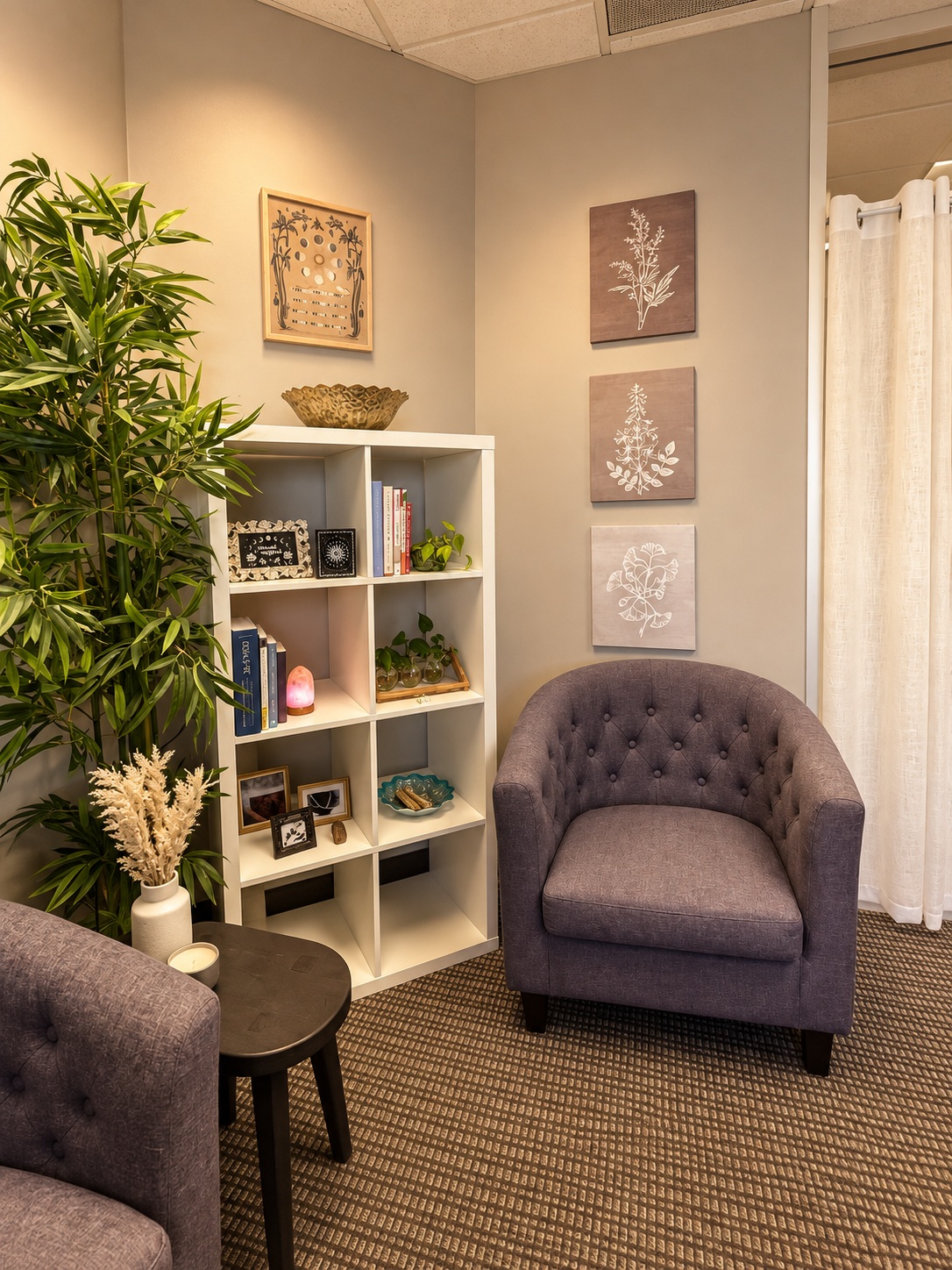
When our treatment experts identify trauma, we can help treat the symptoms. There are many ways to manage the symptoms of trauma that often include specialized individual or group therapy sessions. Guided meditation, journaling, and holistic therapies are often part of a trauma treatment program.
Our counselors work specifically with people who have a history of trauma in our trauma-informed treatment program as they navigate recovery. They work sensitively with women to provide trauma treatment as part of their addiction treatment program. When the symptoms of trauma are treated and reduced, women have a better chance of avoiding relapse and maintaining long-term sobriety.

Learn More at Women’s Recovery
If you or a woman you love require treatment for addiction or mental health issues, you are not alone. Help is available. At Women’s Recovery, we offer programs to support women at every stage of recovery. Our programs include:
- Alcohol addiction treatment
- Women’s supportive housing program
- PTSD treatment
Effective treatment can help you live the full, healthy life you deserve. Today is the right day to get the help you need. Call us at 833.754.0554 or fill out an online intake form here.